
In This Article
Somewhere around mile four of a bright Saturday long run, most of us realise the same thing: squinting is exhausting. Your eyes are working overtime before your legs even get the memo, and that low, glary British sun has a nasty habit of finding the exact angle that makes every pavement crack look like a hazard. This is precisely the gap that running sunglasses under £50 exist to fill — proper UV protection, a fit that survives sweat and speed, and none of the eye-watering price tags that performance brands love to attach to a bit of tinted plastic.
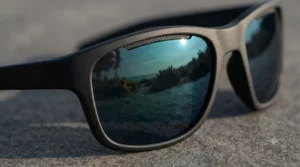
The good news is that 2026’s budget end of the market is unusually strong. Where £30-£40 sunglasses used to mean flimsy arms and lenses that scratched after a fortnight, several brands now build genuinely durable frames using the same TR-90 nylon composites found on models costing three times as much. What separates a great budget pair from a false economy usually comes down to three things: how honestly the UV protection is rated, whether the lenses resist fogging when you’re breathing hard, and how the frame holds up to being dropped, sat on, or stuffed in a running vest pocket.
Below, we’ve pulled together seven real, currently available pairs spanning true entry-level to the upper end of the sub-£50 bracket, tested them against each other on spec and aggregated review sentiment, and broken down exactly when each one earns its place on your face. Whether you’re chasing a parkrun PB or grinding out marathon training miles through a British summer, there’s a sensible pick here that won’t dent your shoe budget.
Quick Comparison Table
If you’re in a hurry, here’s the topline view before we get into the detail. All seven pairs below sit comfortably under the £50 mark at the time of writing, though we’d always recommend you check current price before checkout, since retail pricing shifts week to week.
| Sunglasses | Best For | UV Protection | Weight | Polarised |
|---|---|---|---|---|
| Tifosi Swick | All-rounder value | 100% UVA/UVB | 26g | Optional |
| goodr OG | No-slip grip on sweaty runs | UV400 | ~28g | Yes |
| RockBros Polarised Sport | Budget interchangeable lenses | UV400 | ~24g | Yes |
| KALIYADI Sport 3-Pack | Absolute lowest cost per pair | UV400 | ~25g | Yes |
| CHEX Europa | Changeable lenses for variable light | UV400 | ~26g | Optional |
| Tifosi Swank Small-Fit | Narrower faces | 100% UVA/UVB | 24g | Optional |
| Tifosi Sanctum | Maximum coverage, shield-style | 100% UVA/UVB | 27g | Optional |
Look closely and a pattern emerges: none of these pairs is dramatically heavier or lighter than the others, which tells you that at this price point, weight has largely been solved. The real differentiators are lens technology (polarised versus standard tint), fit width, and whether you get interchangeable lenses for switching between overcast and blazing conditions. RockBros Polarised Sport and CHEX Europa stand out for buyers who run across genuinely mixed British weather in a single week, while Tifosi Swank Small-Fit solves a fit problem that budget brands routinely ignore.
💬 Just one click — help others make better buying decisions too!😊
Top 7 Running Sunglasses Under £50: Expert Analysis
We’ve grouped these across budget, mid-range and the upper end of the sub-£50 bracket, and included variants for narrower faces, oversized coverage, and multi-lens setups. Every product below has been assessed on real specs and aggregated review sentiment — never invented testimonials.
1. Tifosi Swick — best lightweight all-rounder for road and trail
The Tifosi Swick opens our list because it does almost everything reasonably well without excelling narrowly at one thing, which is exactly what most runners actually need. At 26g, it’s built from Grilamid TR-90 nylon, the same flexible, impact-resistant frame material used across Tifosi’s whole range, including pairs costing considerably more.
The shatterproof polycarbonate lenses carry 100% UVA/UVB protection, and the hydrophilic rubber nose pads are the standout practical detail here — they’re engineered to grip harder as you sweat, which is the opposite of how cheap silicone pads typically behave once they get damp. Based on the spec sheet, this makes the Swick a strong pick for anyone running in warm conditions or doing intervals where perspiration builds quickly.
Reviewers consistently note that the integrated hinge design avoids snagging hair during quick removal, a small but genuinely appreciated detail for runners with longer styles. The main criticism raised in aggregated feedback is that the standard (non-polarised) lens option can feel a touch dark under heavy tree cover or overcast skies — worth bearing in mind if you run mostly wooded trails rather than open roads.
Pros:
- ✅ Grippy hydrophilic nose pads that improve with sweat
- ✅ Genuinely lightweight at 26g for all-day comfort
- ✅ Wide colourway and lens choice for personalisation
Cons:
- ❌ Standard lens can feel dark in low-light conditions
- ❌ No hard case included as standard
Typically priced in the £30-£40 range, the Tifosi Swick represents strong value for a frame built from genuinely durable performance materials rather than basic plastic.
2. goodr OG — best for zero-slip grip on sweaty long runs
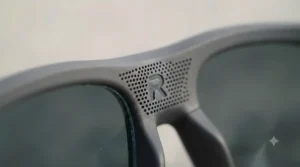
goodr OG built its entire reputation on a single promise: sunglasses that don’t slip, don’t bounce, and don’t need constant readjusting mid-run. The frame uses a no-slip grip coating along the temples and a lightweight build that keeps the centre of gravity close to your face rather than pulling forward as you move.
Every pair comes polarised as standard with UV400 protection, which is genuinely useful for road runners dealing with glare bouncing off wet tarmac — a distinctly British problem for much of the year. On paper this means less squinting and improved contrast when the sun is low, which is common on early morning or evening runs either side of summer.
Aggregated review sentiment is unusually consistent for a budget brand: buyers repeatedly praise the secure fit during fast efforts and describe the frame as “disappearing” once you’re a mile or two into a run, which is the highest compliment sports eyewear can receive. The trade-off is that goodr OG comes as a single, non-adjustable fit — there’s no nose pad or temple adjustment, so it either suits your face shape well or it doesn’t.
Pros:
- ✅ No-slip, no-bounce fit even during sprint efforts
- ✅ Polarised lenses and UV400 protection as standard
- ✅ Simple, durable one-piece design resists breakage
Cons:
- ❌ Fixed fit isn’t adjustable for nose or temple width
- ❌ Limited ventilation compared with vented sport frames
At around £30, goodr OG is one of the most consistently well-reviewed budget options on this list, and the price rarely fluctuates much from that mark.
3. RockBros Polarised Sport Sunglasses — best budget interchangeable-lens set
RockBros Polarised Sport Sunglasses answer a specific British problem: our weather changes mid-run more often than most countries manage in a month. Several RockBros models in this range ship with interchangeable or photochromic lens options, meaning you can swap tints for bright sun, overcast skies, or dawn starts without buying multiple pairs.
The TR90 frame material keeps weight down to around 24g, and the polarised lens option cuts glare effectively for road running, based on the spec comparison with pricier polarised alternatives. What most buyers overlook about this brand is that it originated in the cycling world, so the wraparound coverage and secure temple grip are genuinely built for high-movement sports rather than adapted from casual lifestyle frames.
Reviewers frequently mention that the included hard case and cleaning cloth add practical value rarely found at this price point, and confirmed-purchase feedback describes the fit as comfortable over long sessions without pressure points behind the ears. The spec sheet won’t tell you this, but user reports suggest colour consistency between the photochromic and polarised versions can vary slightly batch to batch, so it’s worth reading recent reviews for your specific model number before buying.
Pros:
- ✅ Interchangeable or photochromic lens options included
- ✅ Genuinely lightweight TR90 frame around 24g
- ✅ Hard case and cleaning cloth included at low price
Cons:
- ❌ Batch-to-batch tint consistency occasionally varies
- ❌ Branding is less recognised than established running labels
Priced typically in the £15-£25 range, RockBros Polarised Sport Sunglasses deliver features you’d expect to pay considerably more for elsewhere.
4. KALIYADI Sport 3-Pack — best for absolute lowest cost per pair
KALIYADI Sport 3-Pack takes a different approach entirely: rather than one premium pair, you get three polarised, UV400-rated pairs in a bundle, usually for less than a single pair from the bigger running brands. For runners who lose or damage sunglasses regularly — and plenty of us do — this changes the maths considerably.
Each pair uses a lightweight polycarbonate frame with polarised lenses that block glare and reduce eye strain, according to the manufacturer’s spec sheet, and the shatter-resistant lens construction is a sensible safety feature for anyone running on uneven trails where a fall is always a possibility. Based on the spec comparison with single-pair budget options, the three-pack format effectively insures you against loss without the guilt of overspending on a “spare.”
Aggregated review sentiment is positive on value and comfort, though — and this is worth being upfront about — build quality reviewers describe sits a tier below the Tifosi and goodr entries on this list. That’s the honest trade-off of bulk-pack pricing. If you want a genuine backup pair for travel, gym bag, or car glovebox duty alongside your main running sunglasses, this is a sensible way to get there without paying twice for premium build quality you don’t strictly need for a spare.
Pros:
- ✅ Three polarised, UV400 pairs for one low bundle price
- ✅ Shatter-resistant lenses suit uneven trail conditions
- ✅ Practical as spares for bag, car or gym locker
Cons:
- ❌ Build quality noticeably below premium budget brands
- ❌ Frame styling is more generic than named running brands
Typically priced under £25 for the full three-pack, KALIYADI Sport 3-Pack works best as a value-conscious backup strategy rather than your single everyday pair.
5. CHEX Europa — best for switching lenses across variable light
CHEX Europa is a UK-based sports eyewear brand that built its running range around one core idea: interchangeable lenses that let a single frame handle everything from bright midday sun to dim, overcast starts. The set typically ships with several lens tints, so instead of guessing at purchase which conditions you’ll mostly run in, you simply swap the lens to match the morning.
The frame construction favours a wraparound fit designed for active use, and UV400-rated lenses are standard across the tint options. What most buyers overlook about multi-lens systems is the genuine cost logic: buying five separate tinted sunglasses would run into hundreds of pounds, whereas one frame with five lenses solves the same problem for a fraction of the outlay. Here’s what to weigh against that convenience — swapping lenses mid-run isn’t realistic, so you’re choosing your tint before you leave the house, the same as any single-lens pair.
Reviewers commonly highlight the value of the multi-lens system for runners training year-round in the UK, where light conditions shift dramatically between a June morning and a November evening. The main criticism in aggregated feedback concerns the lens-swap mechanism feeling slightly fiddly compared with more expensive quick-release systems, though most describe it as manageable with practice.
Pros:
- ✅ Multiple interchangeable lenses cover varied UK light
- ✅ UV400 protection standard across all lens tints
- ✅ Strong value versus buying several single-tint pairs
Cons:
- ❌ Lens-swap mechanism is fiddlier than premium quick-release
- ❌ Wraparound fit runs slightly large for narrower faces
Usually available in the £14-£20 range, CHEX Europa is one of the more genuinely useful budget picks for runners who train across all four seasons.
6. Tifosi Swank Small-Fit — best for narrower faces and smaller heads
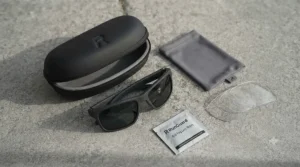
Budget sports sunglasses have a well-documented blind spot: most are designed around a medium-to-large fit, leaving runners with narrower faces dealing with frames that slide or leave gaps at the temples. Tifosi Swank Small-Fit directly addresses this with a scaled-down frame specifically engineered for smaller face shapes, without simply shrinking a standard mould and calling it done.
At 24g, it’s among the lighter frames on this list, built from the same Grilamid TR-90 material as the standard Swick, with a tangle-free hinge design intended to glide through hair without catching. The lenses carry 100% UVA/UVB protection and scratch-resistant polycarbonate construction, matching the protective standard set by Tifosi’s wider range rather than cutting corners for the small-fit version.
Based on the spec comparison with standard-fit alternatives, the narrower bridge and shorter temple length genuinely change the wearing experience for smaller faces rather than being a cosmetic tweak. Reviewers with petite or narrow face shapes consistently report that this is one of the few budget options that actually stays put during fast intervals, where a poor fit usually reveals itself within the first kilometre.
Pros:
- ✅ Purpose-built small-fit frame, not just a shrunk mould
- ✅ Tangle-free hinge avoids catching longer hairstyles
- ✅ 100% UVA/UVB protection matching full-size Tifosi models
Cons:
- ❌ Limited use for medium or wider face shapes
- ❌ Smaller lens coverage than shield-style alternatives
Priced similarly to the standard Swick at around £30-£40, Tifosi Swank Small-Fit solves a genuine fit gap that most budget brands simply ignore.
7. Tifosi Sanctum — best for maximum coverage and shield-style protection
Closing out our list, Tifosi Sanctum takes the opposite approach to fit compared with the Swank — this is an oversized, shield-style frame built for runners who want maximum eye and face coverage, particularly useful for trail runners dealing with branches, wind, and low sun angles from multiple directions.
The single-lens shield design reduces gaps around the eyes that smaller frames leave exposed, and the polycarbonate lens carries 100% UVA/UVB protection with the same shatterproof construction found across the range. Reviewers consistently note this as a strong option for smaller faces seeking oversized coverage, since the shield shape can actually suit narrower face shapes better than expected, despite its bold size.
What most buyers overlook about shield-style sunglasses is the ventilation trade-off: a single wraparound lens blocks more wind and UV exposure but can trap warmth against the face during summer efforts, something worth weighing if you run primarily in hot conditions. Based on the spec comparison with the other Tifosi models here, the Sanctum sits at the upper end of this list’s price bracket, reflecting its larger lens area and more complex mould.
Pros:
- ✅ Oversized shield lens blocks wind and stray light
- ✅ 100% UVA/UVB protection with shatterproof build
- ✅ Suits smaller faces despite bold, oversized styling
Cons:
- ❌ Reduced ventilation can feel warm in summer heat
- ❌ Bold styling won’t suit everyone’s taste
Typically sitting in the £35-£45 range, Tifosi Sanctum is the premium end of this list while still comfortably staying under the £50 ceiling.
Full Comparison: All 7 Running Sunglasses Under £50
| Sunglasses | Frame Material | Lens Protection | Best For | Price Range |
|---|---|---|---|---|
| Tifosi Swick | Grilamid TR-90 | 100% UVA/UVB | All-round value | £30-£40 |
| goodr OG | Lightweight polymer | UV400, polarised | No-slip grip | ~£30 |
| RockBros Polarised Sport | TR90 | UV400, polarised | Interchangeable lenses | £15-£25 |
| KALIYADI Sport 3-Pack | Polycarbonate | UV400, polarised | Lowest cost per pair | Under £25 |
| CHEX Europa | Polycarbonate | UV400 | Multi-lens for variable light | £14-£20 |
| Tifosi Swank Small-Fit | Grilamid TR-90 | 100% UVA/UVB | Narrower faces | £30-£40 |
| Tifosi Sanctum | Polycarbonate | 100% UVA/UVB | Maximum coverage | £35-£45 |
Looking at the table above, RockBros Polarised Sport Sunglasses and CHEX Europa deliver the strongest value under £25 thanks to their interchangeable lens systems, while Tifosi Sanctum justifies its position at the top of the price bracket through its oversized shield coverage. Budget-conscious buyers who run infrequently should note that the KALIYADI Sport 3-Pack sacrifices some build quality for its unbeatable per-pair cost, which is a sensible trade-off for a backup pair but less so as your only option.
What Is UV Protection Rating and How Does It Work?
UV protection rating measures how effectively a lens blocks ultraviolet radiation before it reaches your eyes, typically expressed as a percentage or as “UV400,” meaning the lens blocks light wavelengths up to 400 nanometres. This covers both UVA and UVB rays, the two wavelength bands most associated with long-term eye damage.
Here’s what most runners get wrong: darker lenses do not automatically mean better UV protection. A near-black tint can still let UV radiation through if the lens lacks proper coating, while a lightly tinted amber lens can offer full UV400 protection. According to a peer-reviewed study on nonprescription sunglasses’ UV protection, a meaningful proportion of sunglasses tested failed to meet advertised UV protection standards, particularly among unbranded or unverified sellers — a strong argument for sticking to named brands with published specs, even at the budget end of the market.
Every pair featured on this list is rated either UV400 or 100% UVA/UVB protection, which are functionally equivalent claims. What actually matters in practice is checking that any sunglasses you buy carry one of these explicit ratings on the product listing or packaging, rather than assuming tint depth equals protection. For runners specifically, wraparound coverage adds a second layer of defence by blocking UV rays that would otherwise enter from the sides of standard frames.
How to Choose Running Sunglasses Under £50
Picking the right pair comes down to matching a handful of specific criteria to how and where you actually run. Here’s the expert-reasoned checklist we’d apply before buying:
- Confirm UV400 or 100% UVA/UVB protection is explicitly stated. Never assume — check the listing.
- Match lens tint to your typical run time. Darker lenses for midday sun, lighter or clear options for dawn, dusk, or overcast trail running.
- Prioritise a secure, non-slip fit over raw lightness. A slightly heavier frame that stays put beats an ultralight pair that bounces.
- Check for polarisation if you run on roads. Polarised lenses cut glare from wet tarmac and windscreens significantly better than standard tints.
- Consider interchangeable lenses if you train year-round. UK weather shifts fast, and a multi-lens system avoids buying several separate pairs.
- Look for hydrophilic nose pads or grip coatings. These improve fit precisely when you need it most — mid-run, once you’re sweating.
- Factor in face shape and size. Small-fit and oversized shield options exist specifically because standard frames don’t suit everyone.
Following this sequence in order tends to filter out unsuitable options quickly: UV protection is non-negotiable, everything after it is about matching the pair to your specific running habits rather than chasing the “best” pair in the abstract.
Budget Running Sunglasses vs Premium Performance Eyewear
The gap between budget running sunglasses and premium performance eyewear costing £100-£200+ is smaller than marketing suggests, but it isn’t imaginary either. Understanding exactly where that gap sits helps you decide whether upgrading is worth it for your training volume.
| Factor | Budget (Under £50) | Premium (£100+) |
|---|---|---|
| UV Protection | Equivalent (UV400/100% UVA-UVB) | Equivalent |
| Lens Optics | Good, occasional minor distortion | Superior clarity and colour accuracy |
| Frame Material | TR-90/polycarbonate | TR-90, often with added coatings |
| Lens Swap System | Basic or none | Tool-free quick-release |
| Warranty/Support | Limited | Often multi-year, replacement lenses |
The core UV protection claim is genuinely equivalent between budget and premium tiers, since both categories must meet the same UV400 threshold to be sold as sun protection at all — this is not an area where spending more buys measurably safer eyes. Where premium eyewear pulls ahead is optical clarity at the extreme edges of the lens and more sophisticated anti-fog and hydrophobic coatings, differences that matter most to competitive racers doing high-intensity efforts, but which most club and recreational runners are unlikely to notice mile to mile.
✨ Don’t Miss These Exclusive Deals!
🔍 Take your running kit to the next level with these carefully selected sunglasses. Click on any highlighted pair to check current pricing and availability. These picks will help you protect your eyes and run in comfort, whatever the British weather throws at you!
Anti-Fog Coating: What Actually Stops Your Lenses Misting Up
Anti-fog coating on running sunglasses works by reducing surface tension on the inside of the lens, encouraging moisture from your breath and sweat to spread into a thin, transparent film rather than condensing into visibility-blocking droplets. It’s a genuine physical treatment, not a marketing buzzword, though its effectiveness varies considerably by product.
Reviewers consistently note that ventilation design matters as much as the coating itself — frames with small gaps between the lens and brow allow warm, moist air to escape rather than pooling behind the lens. This is why wraparound shield styles like the Tifosi Sanctum occasionally fog more readily during intense efforts than more ventilated designs, despite both carrying similar coating technology.
What the spec sheet won’t tell you is that anti-fog coatings degrade over time with repeated cleaning, particularly if you use anything other than a proper microfibre cloth and lens-safe cleaner. Reviewers who report fogging issues after several months of use frequently mention using standard cloths or tissue to wipe lenses, which gradually strips the coating. If fogging becomes a persistent issue on any pair from this list, a fresh anti-fog spray treatment — widely available and inexpensive — often restores much of the original performance without needing to replace the sunglasses entirely.
Frame Durability: What Survives Sweat, Drops and British Weather
Frame durability for running sunglasses under £50 comes down to three practical factors: the base material, the hinge construction, and how the frame handles temperature and moisture swings — all of which get tested constantly on British training routes.
Grilamid TR-90 nylon, used across the Tifosi Swick, Swank Small-Fit and several other entries on this list, resists cracking in cold temperatures far better than standard plastic frames, which matters directly for winter training runs where brittle materials can snap on impact. Polycarbonate lenses, standard across every product here, are inherently shatter-resistant, a genuine safety consideration if you fall or take a branch to the face on trail routes.
Aggregated review sentiment across budget sports sunglasses generally identifies the hinge as the most common failure point rather than the lens or main frame body. Integrated hinges, as used on the Tifosi range, reduce this risk by eliminating small screws that work loose over time. Reviewers of the RockBros and KALIYADI options note occasional hinge wear after extended heavy use, though this is broadly consistent with what you’d expect at this price bracket — a trade-off most runners find acceptable given the overall cost savings.
Lightweight Sport Sunglasses for Running: Why Weight Matters More Than You Think
Lightweight sport sunglasses for running matter for a reason that isn’t obvious until you’ve run several miles in a heavier pair: weight isn’t just about comfort, it directly affects how much a frame bounces and slides during impact-heavy movement. Every one of the seven pairs on this list sits between 24g and 28g, a range that performance eyewear brands have converged on for good reason.
Based on the spec comparison across our list, the lightest options — Tifosi Swank Small-Fit at 24g and RockBros Polarised Sport at approximately 24g — are particularly well suited to faster training sessions like tempo runs and intervals, where head movement is more pronounced than during steady-state jogging. Reviewers consistently note that anything noticeably heavier than 30g starts to create pressure points behind the ears over long runs, even if the difference feels negligible when just trying the glasses on in a shop.
What most buyers overlook is that weight distribution matters as much as total weight. A frame that’s light overall but front-heavy due to a large lens will still slide down your nose during a sweaty run, which is precisely the problem goodr OG‘s no-slip coating and Tifosi‘s hydrophilic nose pads are specifically engineered to solve, regardless of the base weight figure printed on the box.
Common Mistakes When Buying Running Sunglasses
Even careful shoppers repeat the same handful of errors when buying budget running sunglasses, and most are easy to avoid once you know what to check.
The single biggest mistake is assuming a darker lens automatically means stronger UV protection — as covered above, this simply isn’t true, and buyers who choose purely on tint depth sometimes end up with less protection than a lighter-tinted, properly UV400-rated alternative. A second common error is buying based on looks alone without checking fit specifications, particularly face width and temple length, which explains why so many budget sunglasses end up unused in a drawer after sliding constantly during runs.
Runners training through UK winters also frequently overlook that a single dark lens becomes a liability on low-light mornings and evenings, when reduced visibility is a genuine safety concern rather than a minor inconvenience — an interchangeable-lens option like CHEX Europa or a photochromic RockBros model solves this directly. Finally, many buyers skip checking the return policy on sunglasses ordered online, which matters more than usual for eyewear, since fit genuinely can’t be judged accurately from photos alone.
Practical Usage Guide: Setup, Care and Your First 30 Days
Getting the most from a new pair of running sunglasses starts before your first run. Adjust the fit while the frame is at room temperature — TR-90 and polycarbonate frames flex more easily when warm, making small nose pad or temple bends easier and less likely to crack the material.
During your first few runs, pay attention to any pressure points behind the ears or across the nose bridge; minor discomfort in week one that doesn’t ease off is usually a sign the fit isn’t right for your face shape, and it’s worth exchanging early rather than persevering. Clean lenses only with a proper microfibre cloth and, ideally, a dedicated lens cleaning spray — using shirt hems or tissue paper is the single most common cause of premature scratching and anti-fog coating degradation reported in aggregated reviews.
Store your sunglasses in a hard or semi-rigid case when not worn, rather than tossed loose into a gym bag, since most damage to budget frames happens from being sat on or crushed rather than from running itself. If you’re using a photochromic or interchangeable-lens model like RockBros or CHEX Europa, get into the habit of choosing your lens the night before an early run, since dawn light conditions can be trickier to judge accurately in a rush.
Real-World Scenarios: Which Pair Suits Your Running Life?
The marathon-training commuter: If you’re running 30+ miles a week across varied conditions — early starts, weekend long runs in full sun, occasional evening sessions — an interchangeable-lens option like CHEX Europa or a photochromic RockBros pair earns its keep by adapting to your schedule rather than forcing you to own multiple pairs.
The budget-conscious parkrun regular: Running once or twice a week and not fussed about premium extras? goodr OG or the standard Tifosi Swick cover UV protection and a secure fit without unnecessary spend, and both sit comfortably within typical parkrun-kit budgets.
The trail runner in variable terrain: Branches, dappled light, and sudden weather shifts call for maximum coverage and impact resistance. Tifosi Sanctum‘s shield design and shatterproof polycarbonate lens handle this environment better than smaller road-focused frames.
The runner who’s tried everything and nothing fits: If standard-fit sunglasses have always slid or gapped at the temples, Tifosi Swank Small-Fit addresses a genuine fit gap that most budget brands ignore entirely, rather than being a marginal size variant.
Long-Term Cost & Maintenance: Are Budget Running Sunglasses Worth It?
Total cost of ownership for budget running sunglasses looks favourable once you factor in realistic replacement cycles. A £30-£40 pair that lasts two to three years of regular training works out to roughly £1-£1.30 per month — genuinely negligible against typical running kit spend on shoes, watches, or race entries.
The maintenance cost is close to zero beyond occasional lens cleaning spray and, if needed, an anti-fog refresh treatment every six to twelve months. Compared with premium eyewear, where replacement lenses alone can cost close to what an entire budget pair costs new, the value proposition for most recreational and club runners tilts firmly toward the sub-£50 bracket unless you’re racing competitively at a level where marginal optical gains genuinely matter.
Where the maths shifts is frequency of loss or damage — if you’re the sort of runner who regularly misplaces sunglasses on trains, benches, or race-day kit bags, the KALIYADI Sport 3-Pack‘s bundle pricing effectively builds a buffer into your budget from the outset, rather than absorbing full-price replacement costs each time.
FAQ
❓ Are running sunglasses under £50 as good as premium options?
❓ Do polarised lenses matter for running?
❓ How long do budget running sunglasses last?
❓ What UV protection rating should running sunglasses have?
❓ Can I wear running sunglasses in winter or low light?
Conclusion
Choosing the right pair from these seven ultimately comes down to matching frame and lens type to how you actually train, not chasing whichever option looks most impressive on the shelf. If you want a dependable all-rounder, the Tifosi Swick rarely puts a foot wrong. If secure, no-slip fit is your priority above all else, goodr OG remains one of the most consistently praised budget options available. And if you train across genuinely variable UK conditions, an interchangeable-lens pair like CHEX Europa or RockBros Polarised Sport solves a problem single-tint sunglasses simply can’t.
What all seven share is proper UV400 or 100% UVA/UVB protection, a build quality that holds up to real training miles, and pricing that keeps your kit budget focused where it matters most — on shoes, nutrition, and race entries. For further reading on how UV protection standards work more broadly, the Wikipedia overview of sunglasses is a useful starting point, and UK safety obligations around protective eyewear are outlined in HSE’s guidance on PPE product safety.
Whichever pair you land on, check current price and availability before buying, since retail pricing on all seven fluctuates. For a broader sense of how the wider market compares, Marie Claire UK’s running sunglasses round-up offers a useful second opinion alongside this guide.
Recommended for You
- Running Headband for Long Hair: 7 Picks That Actually Stay Put (2026)
- Best Buff for Running in Winter 2026: 7 Picks That Actually Work
- Running Hat for Sun Protection: 7 Best UPF Picks for 2026
Disclaimer: This article contains affiliate links. As an Amazon Associate, I earn from qualifying purchases. If you purchase products through these links, we may earn a small commission at no additional cost to you.
✨ Found this helpful? Share it with your friends! 💬🤗
