

In This Article
Somewhere around mile 16 of a marathon, your legs stop being the problem. Your brain does. That heavy, foggy, can’t-string-a-thought-together feeling has a name among runners — “hitting the wall” — and it happens when your glycogen stores run dry faster than your body can replace them. Energy gels for running exist to solve exactly this problem: small, portable sachets of fast-absorbing carbohydrate designed to top up your fuel tank mid-run without you having to stop, chew, or slow down.

An energy gel, in its simplest form, is a concentrated carbohydrate source — typically 20-30g of sugars like maltodextrin and fructose, sometimes with added caffeine, electrolytes or amino acids — squeezed straight from a sachet into your mouth during exercise. It’s not a health food. It’s a tool, purpose-built to deliver glucose to your bloodstream in minutes rather than the hour or more it would take to digest a proper meal. For anyone training for a half marathon, marathon, or even a long weekend run past 90 minutes, some form of carbohydrate fuel for runners stops being optional and starts being the difference between finishing strong and grinding to a walk.
But not all gels behave the same way, and the differences matter more than most first-time buyers realise. Texture ranges from watery and easy-to-swallow to thick and almost chewy. Some need water alongside them, others are designed to go down neat. Caffeine content varies from zero to over 100mg — roughly a strong coffee — in a single sachet. And taste, frankly, ranges from “genuinely pleasant” to “something you tolerate because you have to.”
This guide breaks down seven real, currently available options from amazon.co.uk, spanning budget isotonic gels through to premium hydrogel technology, with the practical detail that actually matters once you’re 10 miles into a long run: how they sit in your stomach, how they taste, and how to build them into a genuine race day nutrition strategy rather than guessing on the morning of the event. All prices mentioned are ranges rather than exact figures, since Amazon pricing shifts regularly — always check the current price before buying.
Quick Comparison Table
Here’s the shortlist at a glance, with full breakdowns in the next section.
| Product | Carbs per Gel | Caffeine | Format | Price Range | Best For |
|---|---|---|---|---|---|
| Maurten Gel 100 | 25g | 0mg (also in Caf 100 version) | Hydrogel | £27-£43 RRP range | Sensitive stomachs, marathon race day |
| SiS GO Isotonic Energy Gel | 22g | 0mg | Isotonic liquid gel | £15-£25 range | Water-free consumption, budget training |
| SiS Beta Fuel Gel | 40g | 0mg | Dual-source liquid gel | £20-£30 range | High-carb intake targets on long runs |
| High5 Energy Gel Aqua | 23g | 0mg (caffeine version available) | Real fruit juice gel | £15-£20 range | Best tasting running gels, no caffeine |
| GU Energy Original Gel | 21-23g | 0-40mg (flavour dependent) | Classic gel with BCAAs | £20-£30 range | Muscle-focused fuelling, US-style flavours |
| TORQ Energy Gel | 30g | 0-89mg (guarana flavours) | Natural, 5-electrolyte gel | £18-£25 range | Electrolyte replacement, natural ingredients |
| Precision Fuel PF30 Caffeine Gel | 30g | 100mg | Mild-flavour gel | £20-£30 range | Precise carb and caffeine dosing |
Looking across the shortlist, the split isn’t really about which gel is “strongest” — it’s about matching carbohydrate delivery and caffeine to your specific race distance and stomach tolerance. A quick energy boost gel loaded with caffeine and 30g of carbs makes sense deep into a marathon, but the same gel taken too early or too often can backfire into stomach discomfort. That timing question matters more than brand loyalty, and we’ll come back to it properly later in this guide.
💬 Just one click — help others make better buying decisions too!😊
Top 7 Energy Gels for Running: Expert Analysis
We’ve deliberately spread this list across budget, mid-range and premium price points, and across the main gel formats UK runners actually use — isotonic, hydrogel, dual-source and natural-electrolyte — so there’s a genuine option here whatever distance or stomach sensitivity you’re working with.
1. Maurten Gel 100 — hydrogel technology built specifically for sensitive stomachs
The standout feature here isn’t the carb count, it’s the texture. Maurten’s patented hydrogel technology encapsulates carbohydrate inside a structure the brand compares to a kitchen sponge, which practically means the gel behaves less like sticky syrup and more like a soft, almost solid mouthful that’s noticeably easier to swallow mid-stride.
Each 40g sachet delivers 25g of carbohydrate using a fructose-to-glucose ratio of 0.8:1, formulated from just six natural ingredients with no preservatives, artificial colours, or added flavourings — a genuinely short ingredients list compared to most gels on this shelf. The hydrogel format is designed to pass through the stomach into the small intestine faster than a standard syrup gel, which is the mechanism behind Maurten’s reputation for causing less gastrointestinal distress during hard efforts.
Who this suits: runners who’ve struggled with stomach cramping or nausea from traditional sticky gels, and marathon runners specifically, since Maurten has become something of a default choice on elite and sub-elite start lines over the past several years. Aggregated review sentiment consistently praises the smoother, less sickly mouthfeel compared to competitor gels, with the caffeinated Caf 100 variant (containing 100mg of caffeine, roughly a filter coffee’s worth) singled out favourably by buyers wanting a late-race lift. The recurring constructive theme in feedback is the price — noticeably higher per gel than most of this list — and a mild, unusual texture that a small minority of first-time buyers describe needing a few tries to get used to.
Pros:
- ✅ Hydrogel texture reduces stomach discomfort for many runners
- ✅ Short, natural ingredients list with no artificial additives
- ✅ Caffeinated Caf 100 version available for late-race energy
Cons:
- ❌ Noticeably pricier per gel than most competitors on this list
- ❌ Unusual texture takes some runners a session or two to adjust to
At around £27-£43 RRP depending on pack size and promotions, this is a premium pick — but for marathon race day specifically, many runners consider the stomach-comfort trade-off worth the extra spend.
2. SiS GO Isotonic Energy Gel — the original water-free formula, and still a training staple
What makes this gel worth leading with is its isotonic formulation — a detail that sounds technical but has a very practical payoff: it’s designed to match the concentration of fluids naturally found in your body, meaning it can be taken without chasing it down with water.
Each 60ml sachet delivers 22g of carbohydrate from maltodextrin, alongside a low sugar content that Science in Sport markets as under 1g per gel. In practice, the isotonic formula means less risk of that bloated, overfull feeling that thicker gels combined with a big water gulp can cause mid-run — genuinely useful information for anyone who’s ever had to slow down clutching their side after a poorly timed gel-and-water combo.
Who this suits: runners doing regular training sessions who want a reliable, no-fuss gel that doesn’t demand hydration planning around it, and those newer to gels who want the gentlest possible introduction to carbohydrate fuel for runners. Aggregated customer sentiment is strongly positive on the light, thin consistency compared to thicker rival gels, with reviewers frequently describing it as easy to swallow even mid-flow during a hard session. The most common constructive note across SiS GO reviews is that, at 22g of carbohydrate, it delivers slightly less per sachet than some newer high-carb rivals, meaning marathon runners chasing higher hourly carb targets may need to take gels more frequently.
Pros:
- ✅ Isotonic formula means no need for extra water
- ✅ Low sugar content with a light, non-sticky consistency
- ✅ Genuinely accessible entry point for gel-nervous beginners
Cons:
- ❌ Lower carb count (22g) than several newer high-carb rivals
- ❌ Basic flavour range compared to fruit-forward competitors
Typically priced in the £15-£25 range for a 30-pack, this remains one of the most tested and trusted training gels among UK runners.
3. SiS Beta Fuel Gel — dual-source carbs for runners chasing higher hourly intake
Sports science has shifted meaningfully over the past decade on how much carbohydrate endurance athletes can actually absorb per hour, and the Beta Fuel range is Science in Sport’s direct response to that shift — the standout feature is simply how much more carbohydrate is packed into a single sachet.
Each 60ml gel delivers 40g of carbohydrate using a dual-source blend of glucose and fructose, which matters practically because a single-source maltodextrin gel caps out around 60g of carb absorption per hour, while dual-source blends can push that ceiling toward 90g or more per hour when spaced correctly — a meaningful advantage for anyone targeting current elite-influenced fuelling guidance for marathon distances and beyond.
Who this suits: experienced runners and marathon-distance athletes specifically chasing higher carbohydrate intake targets, rather than casual 5km or 10km runners who don’t need this volume of fuel in one hit. Aggregated review sentiment highlights the higher carb-per-gel efficiency as a genuine advantage for reducing how many sachets need carrying on a long run, with strawberry and lime flavour frequently singled out as pleasant rather than sickly despite the higher sugar load. The consistent constructive theme is that the higher concentration can feel heavier in the stomach than SiS’s own GO Isotonic range, so runners new to dual-source gels are well advised to trial it in training rather than on race day first.
Pros:
- ✅ 40g of carbohydrate per gel reduces how many sachets you carry
- ✅ Dual-source glucose-fructose blend supports higher hourly carb intake
- ✅ Flavour reviewed as less sickly than its sugar content suggests
Cons:
- ❌ Heavier in the stomach than lower-carb isotonic alternatives
- ❌ Not necessary for shorter runs under 90 minutes
At around £20-£30 range for a multi-pack, this is the pick for marathon training specifically built around a higher-carb fuelling strategy.
4. High5 Energy Gel Aqua — real fruit juice gives it the edge on taste
If there’s a single feature that gets mentioned first in almost every independent review of this gel, it’s flavour — and for a category not exactly famous for being delicious, that’s worth leading with.
The Aqua format uses a blend of glucose syrup, maltodextrin and real fruit juice concentrate (orange, lemon, raspberry or blackcurrant depending on flavour) in a 66g sachet delivering 23g of carbohydrate, giving it a lighter, more sports-drink-like consistency than the thick syrup texture common across the category. High5 was founded by British triathletes back in 1994, and three decades of UK endurance sport experience shows in the flavour development specifically — a detail that matters more than it might seem, since a gel you actively dread taking is a gel you’ll skip when you need it most.
Who this suits: runners who’ve tried gels before and struggled purely with the taste rather than the stomach effect, and anyone searching specifically for the best tasting running gels rather than optimising purely for carb count or caffeine. Aggregated review sentiment consistently ranks the citrus and berry flavours among the more palatable options in the category, with several reviewers explicitly noting they finished full multi-packs without flavour fatigue, unlike some rival brands. The honest constructive note is that at 23g of carbohydrate, this sits in the middle of the pack rather than leading on raw carb delivery — the trade-off here is genuinely taste over maximum carb density.
Pros:
- ✅ Real fruit juice gives a lighter, more palatable taste
- ✅ Caffeine-free version widely available for evening or easy runs
- ✅ 30+ years of UK-specific endurance sport flavour development
Cons:
- ❌ Carb count (23g) is mid-pack rather than category-leading
- ❌ Fruit juice content means slightly more sugar than isotonic rivals
Priced around £15-£20 range for a 20-pack, this is the gel to shortlist specifically if taste has been the reason you’ve struggled with gels before.
5. GU Energy Original Gel — amino acids and electrolytes in one classic sachet
GU built its reputation in the US endurance scene before becoming a UK training-bag staple, and the standout feature of the Original range is how much it packs into one formula beyond raw carbohydrate.
Each sachet delivers 21-23g of carbohydrate from a maltodextrin-and-fructose blend, alongside 450mg of branched-chain amino acids (leucine, valine, isoleucine) and electrolytes including sodium and potassium. Practically, the BCAA inclusion is aimed at reducing muscle damage and mental fatigue during very long efforts — genuinely more relevant to marathon and ultra-distance runners than to someone doing a 5km parkrun, where the run is over before muscle breakdown becomes a meaningful factor.
Who this suits: runners who want a single gel doing multiple jobs — carbohydrate, electrolyte replacement and a small amino acid contribution — rather than needing to combine a gel with a separate electrolyte product. Aggregated review sentiment is strongly positive on the range of flavours available (from fruity options to genuinely dessert-like choices such as chocolate outrage and salted caramel), with buyers frequently noting the flavour variety helps avoid the “gel fatigue” that comes from eating the same sachet repeatedly across a long training block. The consistent constructive theme is texture — GU’s classic gel format is thicker and stickier than newer isotonic or hydrogel alternatives, meaning it typically needs water alongside it to go down comfortably.
Pros:
- ✅ BCAAs and electrolytes combined with carbohydrate in one sachet
- ✅ Wide, genuinely varied flavour range reduces gel fatigue
- ✅ Caffeine content clearly labelled per flavour for easy dosing
Cons:
- ❌ Thicker, stickier texture typically needs water to go down easily
- ❌ Caffeine varies by flavour, so dosing requires checking each one
At around £20-£30 range for a 24-pack, this is a strong all-rounder for runners who want more than plain carbohydrate from their gel.
6. TORQ Energy Gel — natural ingredients with all five key electrolytes
TORQ’s standout feature is genuinely its ingredients list — shorter and more recognisable than most competitors, built around a research-backed carbohydrate ratio rather than a long list of additives.
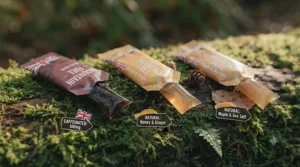
Each 45g sachet delivers around 28-30g of carbohydrate using a 2:1 maltodextrin-to-fructose ratio, a blend TORQ states is designed to maximise the rate of carbohydrate delivery to working muscles by using two separate absorption pathways simultaneously rather than one. Alongside carbohydrate, every TORQ gel includes all five key electrolytes lost through sweat — sodium, chloride, potassium, magnesium and calcium — which is a genuinely fuller electrolyte profile than most rivals on this list offer as standard. Three flavours (Forest Fruits, Banoffee, Caramel Latte) add 89mg of natural caffeine via guarana extract rather than synthetic caffeine.
Who this suits: runners specifically prioritising electrolyte replacement alongside carbohydrate, particularly for hot-weather races or anyone prone to cramping on long runs, and buyers who prefer naturally sourced caffeine over the synthetic version used in most competing caffeinated gels. Aggregated review sentiment describes the texture as notably sweet and on the thicker side compared to isotonic rivals, with the Cherry Bakewell and Rhubarb & Custard flavours specifically praised for tasting distinctly British rather than the generic fruit flavours common elsewhere in the category. The consistent constructive theme is sweetness — several reviewers note the intensity works well mid-run but can feel cloying if tried at rest, which is worth knowing before a first taste test on the sofa rather than out running.
Pros:
- ✅ All five key electrolytes included as standard in every gel
- ✅ Natural guarana caffeine in three flavours, rather than synthetic
- ✅ Distinctive, genuinely varied UK-style flavour range
Cons:
- ❌ Thicker, very sweet texture may not suit every palate
- ❌ Best trialled during a run rather than tasted at rest first
Typically priced around £18-£25 range for a 15-pack, this is the pick for runners building a genuine race day nutrition strategy around full electrolyte replacement rather than carbohydrate alone.
7. Precision Fuel PF30 Caffeine Gel — precise carb and caffeine dosing, minus the guesswork
The standout feature here is on the label itself: exact carbohydrate and caffeine numbers printed clearly on the front of the packet, removing the need to decode a nutrition panel mid-training-block.
Each 51g gel delivers exactly 30g of carbohydrate and, in the Caffeine variant, precisely 100mg of caffeine — roughly one and a half espressos — using a 2:1 glucose-to-fructose ratio designed to aid carbohydrate uptake. Precision Fuel & Hydration built its reputation on individualised fuelling plans developed originally for elite triathletes, and that data-driven approach shows in the deliberately mild, neutral flavour profile, engineered specifically to reduce flavour fatigue across a long event rather than aiming for a punchy, memorable taste.
Who this suits: runners who plan their race day nutrition strategy around specific hourly carbohydrate and caffeine targets — for instance, using the brand’s own online carb calculator to work out exact fuelling needs — rather than eyeballing gel intake by feel. It’s also worth noting this gel contains no electrolytes by design, since Precision Fuel & Hydration expects it to be paired with their separate electrolyte range for full replacement. Aggregated review sentiment consistently praises the mild flavour and non-sticky texture for reducing the need to immediately wash it down with fluid, with several reviewers specifically highlighting it as the first gel that hasn’t caused digestive discomfort during long runs. The honest constructive note is that the neutral flavour, while easy to tolerate repeatedly, doesn’t offer the flavour variety or indulgence some runners look for from a gel.
Pros:
- ✅ Exact carb and caffeine dosing printed clearly on the packet
- ✅ Mild, neutral flavour designed to avoid flavour fatigue
- ✅ Texture reduces stickiness and the immediate need for water
Cons:
- ❌ No electrolytes included, so needs pairing with a separate product
- ❌ Neutral flavour profile may feel bland to some runners
At around £20-£30 range for a 15-pack, this is the pick for data-minded runners who want to plan fuelling with precision rather than guesswork.
Practical Usage Guide: Building Gels Into Your Training
Getting energy gels right is less about which brand you buy and more about how you actually use them in the weeks before race day — and this is the part most product listings skip entirely.
Start trialling gels early, not close to race day. The golden rule among experienced marathon runners, echoed consistently by official race guidance, is to never try a new gel on event day itself. Every gel formula behaves slightly differently in your stomach, and the only way to know how yours will react under real running stress is to test it during an actual training run, not sitting at your kitchen table. Build this into your long runs specifically — the effort and jostling of sustained running affects digestion differently to rest.
In your first weeks of using gels, start small and build up gradually. Rather than taking a full sachet on your very first attempt, some runners find it easier to sip a portion, wait, then finish the rest — a technique that also works well on race day itself if a full gel feels like too much in one go. Official TCS London Marathon guidance specifically recommends taking a third of a gel, following it with water, then finishing the remaining two thirds, as a way to improve palatability and reduce the stomach shock of a full sachet in one go.
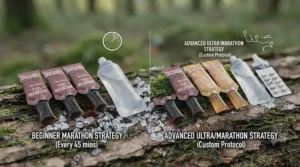
Timing matters as much as the gel itself. A common starting point is taking your first gel within the first hour of a long run or race, then repeating roughly every 45-60 minutes, or every six to seven miles, after that — though this varies by gel type and your own carbohydrate targets. Isotonic gels like SiS GO can typically be taken without water, while thicker gels such as GU’s Original range generally go down more comfortably with a few sips alongside them. Always keep hydration going regardless of gel type, since gels supply carbohydrate but not meaningful fluid volume on their own.
Storage and carrying matter more in practice than most runners plan for. Gels get genuinely difficult to open with cold, sweaty, or fatigued hands late in a long run, so practising the tear-and-open motion during training — ideally at pace, not standing still — avoids a fumbling delay when you’re already running on empty. Many runners also find tucking gels into a race belt or shorts pocket rather than a hydration vest strap makes them faster to reach without breaking stride.

Real-World Scenarios: Which Gel Actually Fits Your Race
Specs on a packet are one thing; matching a gel to your actual race and training profile is another. Here are three genuinely common UK runner profiles and the reasoning behind matching each to a pick from the list above.
The first-time half marathon runner who’s never used a gel before. Priority is gentleness on the stomach and an easy introduction rather than maximum carb density or caffeine. The SiS GO Isotonic Gel or High5 Energy Gel Aqua both make sense here — the former for its water-free simplicity, the latter if taste has been a sticking point in early trials. Both sit at the lower-carb, lower-intensity end of this list, ideal for a first genuine test.
The marathon runner chasing a specific finish time and training with a structured fuelling plan. Budget for gels that deliver higher carbohydrate per sachet and can be dosed precisely. The SiS Beta Fuel Gel or Precision Fuel PF30 both fit this brief — the former for maximising carbs per gel to reduce how many you carry, the latter for runners who want to plan fuelling against exact numbers using a carb calculator rather than guesswork.
The runner who’s tried gels before and struggled with stomach discomfort or cramping. This is where the Maurten Gel 100 and TORQ Energy Gel earn their place — the former for its hydrogel technology specifically designed to reduce GI distress, the latter for its full five-electrolyte profile if cramping rather than nausea has been the recurring issue.
How to Choose Energy Gels for Running
- Match carbohydrate content to your race distance, not just the highest number available. Runs under 60-75 minutes rarely need a gel at all; beyond that, 20-30g gels spaced every 45-60 minutes are a sensible starting point for most runners.
- Decide on caffeine strategy before race day, not during it. Caffeine can genuinely sharpen focus and reduce perceived effort late in a race, but taking your first-ever caffeinated gel on event day risks jitters or a stomach reaction you haven’t tested.
- Consider texture alongside taste. Isotonic and hydrogel formats are generally easier to swallow without water; thicker classic gels usually need fluid alongside them, which affects your hydration planning too.
- Check whether electrolytes are included or need pairing separately. Gels like TORQ and GU build electrolytes in; others like Precision Fuel PF30 deliberately leave them out, expecting a separate product alongside.
- Look for third-party batch testing if you compete under any governing body’s anti-doping rules. Products carrying the Informed Sport mark have been tested for banned substances batch by batch, which matters more than most casual runners realise until it’s relevant to them.
- Factor in genuine taste preference, not just nutritional stats. A gel you actively avoid taking mid-race because you dread the flavour defeats the point — the best tasting running gels for you personally are worth prioritising over marginal carb differences.
- Test your full race day nutrition strategy in training, at race pace, well before the event itself. The only way to know a gel plan works is to rehearse it under the same physical stress you’ll face on the day.
Common Mistakes When Buying Energy Gels for Marathon Training
The single most frequent mistake is buying gels for the first time in race week rather than months earlier. Digestive tolerance for gels genuinely varies by individual and even by specific brand formulation, and the only reliable way to find what works is repeated testing across several long training runs — not a last-minute purchase two days before the start line.
A second common error is choosing gels based purely on carbohydrate content without considering caffeine cumulative load across a race. If you’re taking a gel every 45 minutes across a four-hour marathon and several of those gels contain 80-100mg of caffeine each, the total can add up to several times a normal daily intake — worth planning deliberately rather than discovering the effect mid-race.
Third, many buyers underestimate how much flavour fatigue affects gel tolerance over a long event. A flavour that tastes perfectly fine as a single sachet in training can become genuinely difficult to stomach by the fourth or fifth identical gel deep into a marathon — variety packs, or alternating between two gel types, are worth building into a longer race strategy specifically to avoid this.
Finally, some buyers assume all gels need water and others assume none do, when the reality varies by format. Isotonic and hydrogel gels are generally formulated to be taken without extra fluid, while thicker classic-format gels typically benefit from water alongside them — checking this per product, rather than assuming, avoids either unnecessary bloating or an uncomfortably thick mouthful.
Best Tasting Running Gels: What Actually Makes the Difference
Taste in energy gels comes down to a handful of genuinely testable factors rather than pure brand preference, and it’s worth understanding what separates a gel you’ll happily take from one you’ll dread.
Real fruit juice content, as used in High5’s Aqua range, generally produces a lighter, less cloyingly sweet flavour than gels relying purely on artificial flavouring — the fruit acidity balances the sugar in a way synthetic flavouring alone often can’t replicate. Texture affects perceived taste more than most runners expect too: a thinner, more liquid gel like SiS GO Isotonic tends to taste less intensely sweet in the mouth simply because it clears faster, while a thicker gel like GU’s Original range lingers longer and can taste sweeter as a result, independent of actual sugar content.
Natural flavour sourcing, as TORQ uses across its range, tends to produce distinctly recognisable flavours — Cherry Bakewell, Rhubarb & Custard — that taste more like an actual dessert than a generic “berry” or “citrus” descriptor common elsewhere in the category. Deliberately neutral, mild formulations like Precision Fuel’s PF30 range take the opposite approach entirely: rather than trying to taste good, they’re engineered to avoid tasting bad repeatedly, which is a genuinely different design goal and worth knowing before you buy expecting a flavour experience.
The honest takeaway: no single gel wins on taste for everyone, and personal preference plays a larger role here than in almost any other spec on this list. Buying a small variety pack or single sachets before committing to a full box is the most reliable way to find your own best tasting running gels rather than relying entirely on aggregated review sentiment.
Quick Energy Boost Gel: When You Actually Need One
Not every run needs a gel, and understanding when one genuinely helps versus when it’s unnecessary saves both money and unwanted stomach effects.
For runs under roughly 60-75 minutes, most runners carry sufficient glycogen stores from normal eating to complete the session without supplemental carbohydrate — a gel here is more habit than necessity, though some runners do use a small quick energy boost gel before a hard interval session specifically for the mental lift caffeine provides, separate from any genuine fuel requirement. Beyond 75-90 minutes, glycogen depletion becomes a real, measurable factor in performance, and this is where a gel earns its place as genuine fuel rather than a placebo.
A quick energy boost gel is also worth considering in specific situational contexts beyond pure distance: an unexpectedly hilly section that’s burning through energy faster than flat-course pacing would predict, a race that’s running longer than planned due to weather or field congestion, or a training run where you’ve deliberately under-fuelled beforehand to practise “training low” — a technique some coaches use to build metabolic efficiency, which should only be attempted deliberately and occasionally, not as a default approach.
The practical signal worth listening to is your own perceived effort rather than the clock alone: if a pace that normally feels comfortable starts to feel disproportionately hard, that’s often glycogen depletion beginning, and a gel taken at that point works faster than one taken reactively once you’ve already properly hit the wall.

Race Day Nutrition Strategy: Planning It Properly
A genuine race day nutrition strategy is built weeks before the start line, not decided on the morning of the event, and the planning itself follows a fairly consistent structure among experienced marathon runners.
Begin with carbohydrate loading in the final two to three days before a marathon, increasing the proportion of carbohydrate-rich foods like pasta, rice and potatoes while reducing fat and protein, which allows your body to store additional glycogen ahead of the event — a strategy backed by official TCS London Marathon guidance from sports nutritionist Anita Bean, who specifically warns against overeating or trying to cram all your carb-loading into the final meal the night before.
During the race itself, plan your gel timing around your own tested tolerance rather than a generic schedule copied from someone else. A widely used starting point is one gel within the first 45-60 minutes, then repeating at similar intervals — but the specific numbers should come from what you’ve genuinely rehearsed in training, adjusted for the carbohydrate content of your chosen gel. Official race guidance is explicit on this point too: never try a new gel brand on event day itself, since every formulation behaves slightly differently and race day is the worst possible time to discover a gel doesn’t agree with you.
Build in a contingency plan as well. Carry one or two extra gels beyond your planned schedule in case the race runs longer than expected, or in case you find yourself needing an earlier top-up than planned due to pacing errors or weather. And don’t rely on gels for hydration — they supply carbohydrate, not meaningful fluid, so your water and electrolyte plan needs to run alongside your gel schedule as a separate consideration, not a substitute for it.
What to Expect: Real-World Performance
Specs on a nutrition panel describe a gel in ideal lab conditions; real-world performance is what actually happens when you’re tired, dehydrated, and twenty miles into a run, and it’s worth being honest about the gap between the two.
Isotonic and hydrogel gels, across the board, tend to perform closest to their lab-tested comfort profile even under real fatigue — the whole design point of both formats is minimising the digestive disruption that hard running otherwise causes. Thicker classic-format gels like GU’s Original range generally still perform well, but the gap between “fine at rest” and “fine mid-marathon” widens more noticeably with these formats if you haven’t practised taking them on the move.
Caffeine content behaves differently under race stress than most runners expect from casual coffee drinking. A gel with 80-100mg of caffeine taken deep into a race, when you’re already dehydrated and running on adrenaline, can produce a stronger jittery sensation than the same dose would at rest — which is exactly why testing caffeinated gels specifically during training long runs, not just casual runs, matters more than testing carbohydrate tolerance alone.
Flavour fatigue is the performance factor most often overlooked in planning. A gel that tastes genuinely pleasant as an isolated sachet can become something you have to force down by gel number four or five of an identical flavour deep into a marathon — this is where having two or three different gel types in your race-day plan, rather than a single flavour repeated throughout, measurably improves how consistently you actually take your planned fuel rather than skipping a scheduled gel because you can’t face another mouthful of the same taste.
Long-Term Cost & Value for Regular Training
Sticker price per gel only tells part of the story once you’re buying regularly across a full marathon training block, typically spanning four to six months of long runs.
At the budget end, SiS GO Isotonic and High5 Energy Gel Aqua offer the lowest cost per sachet across this list, making them the most sustainable choice for weekly long-run training where you might use two or three gels per session across many months. Premium options like Maurten Gel 100 cost meaningfully more per unit — often two to three times the price of budget alternatives — which is a genuinely reasonable trade-off for race day itself, where stomach comfort matters most, but a harder cost to justify across every single training run in a long block.
A sensible middle-ground approach many experienced runners settle on is training predominantly with budget or mid-range gels, then switching to a premium option specifically for the final few long runs before race day and the event itself — testing the race-day gel enough times to trust it, without paying premium prices for every training session along the way.
It’s also worth factoring in bulk pack pricing, since most brands on this list offer meaningfully lower per-gel costs when bought in 20-30 packs versus smaller trial-size boxes, provided you’ve already confirmed the flavour and formula agree with you before committing to a larger order.
Features That Actually Matter (And Those That Don’t)
Marketing copy across the energy gel category leans heavily on performance language that carries less practical weight than it first appears, so it’s worth separating genuine performance factors from marketing flourish.
Actually matters: the carbohydrate-to-format match for your race distance (higher-carb dual-source gels for longer events, lighter isotonic gels for shorter or training runs), whether the gel needs water alongside it (affects your hydration plan directly), clearly labelled caffeine content per sachet (essential for managing cumulative intake across a race), and genuine flavour variety within a range if you’re planning to take several gels across a long event.
Matters less than the packaging suggests: minor variations in “proprietary carbohydrate blend” naming between brands that ultimately deliver similar maltodextrin-fructose ratios, added vitamin content in tiny doses that have negligible impact during a single race, and claims of “instant” energy that overstate how quickly any carbohydrate — however formulated — actually reaches working muscle, which is always a matter of minutes rather than seconds regardless of gel technology.
The genuinely useful signal, as with most nutrition products, is your own tested tolerance built up across training rather than any single spec line on the packet. A gel that performs perfectly on paper but that you’ve never actually taken mid-run under real fatigue is an unknown quantity, not a reliable race-day plan.
Safety & Regulations: What UK Runners Should Know
Energy gels sold in the UK sit within the food supplement category rather than as medicines, and it’s worth understanding what that framework does and doesn’t guarantee as a buyer.
For guidance on where carbohydrate fits within a genuinely balanced diet more broadly, the NHS Eatwell Guide is worth knowing as context — energy gels are a targeted performance tool for sustained exercise, not a substitute for the starchy carbohydrates that should make up roughly a third of a normal daily diet. The British Nutrition Foundation similarly notes that additional carbohydrate intake, of the kind gels provide, becomes genuinely useful specifically for those training at higher levels such as marathon preparation, rather than for general moderate activity.
For runners competing under any governing body’s anti-doping rules — from club-level athletics up to elite competition — supplement contamination is a real and documented risk, since sports supplements aren’t required to undergo pre-market approval in the same way medicines are. The Informed Sport programme batch-tests certified products for substances banned under the World Anti-Doping Code, and several brands across this list, including SiS and High5, carry Informed Sport certification on specific product lines — worth checking on the individual product listing if anti-doping compliance is relevant to your competition level.
Caffeine dosing deserves specific mention given how many gels on this list include it. A single caffeinated gel typically delivers somewhere between 20mg and 100mg, and taking several across a long race can add up meaningfully against typical daily caffeine guidance — worth factoring in alongside any coffee or caffeinated drinks you’d normally consume on race morning, rather than treating gel caffeine as separate from your usual intake.
Frequently Asked Questions
❓ How many energy gels should I take during a marathon?
❓ Do I need to drink water with energy gels?
❓ Can I use energy gels for a half marathon, or only full marathons?
❓ What's the best energy gel for a sensitive stomach?
❓ Is caffeine in energy gels safe to use during a race?
Conclusion
Choosing between these seven gels ultimately comes down to matching format, carbohydrate content and taste tolerance to your specific training and race plan, rather than chasing a single “best” option in the abstract. If stomach comfort on marathon day is the priority, Maurten Gel 100‘s hydrogel technology earns its premium price. If you’re just starting out with gels, the SiS GO Isotonic Gel or High5 Energy Gel Aqua offer the gentlest, most palatable introduction. And if you’re building a genuine race day nutrition strategy around precise carbohydrate and caffeine dosing, Precision Fuel PF30 or SiS Beta Fuel give you the numbers to plan around properly.
Whichever you land on, the timing and testing rules covered above matter more than any single spec on a packet — a perfectly formulated gel you’ve never tried mid-run is a genuine race-day risk, not a plan. Trial early, trial often, and build your fuelling strategy with the same seriousness you bring to your training miles.
Recommended for You
- Race Vest for Ultramarathon: 7 Best UK Picks Tested 2026
- Running Backpack with Water Bladder: 7 Best Picks for 2026
- Salomon vs Nathan Hydration Vest: 7 Picks Compared (2026)
Disclaimer: This article contains affiliate links. As an Amazon Associate, I earn from qualifying purchases. If you purchase products through these links, we may earn a small commission at no additional cost to you.
✨ Found this helpful? Share it with your friends! 💬🤗
