In This Article
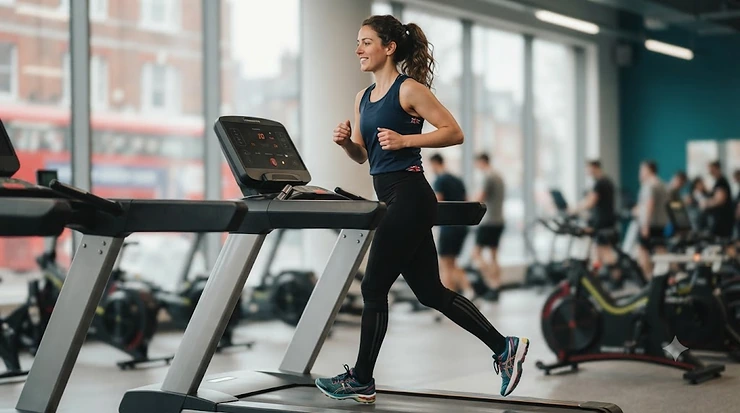
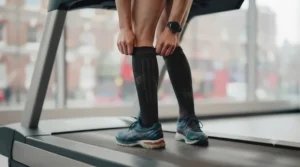
There’s a particular kind of treadmill session — the one where you’ve pushed past your usual distance, your shins are starting to complain, and you’re eyeing the clock wondering if those tight, snug socks everyone at the gym wears actually do anything. The honest answer is: it’s complicated, and more nuanced than most product pages let on. A pair of compression socks treadmill workout sessions can genuinely benefit isn’t a magic performance unlock, but for many runners they’re a comfortable, low-risk addition to a kit bag — and this guide is built to help you separate the marketed claims from what the evidence actually supports.
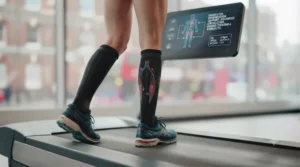
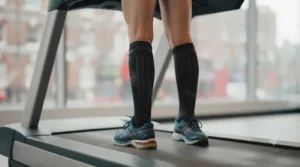
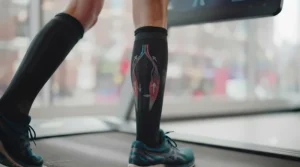
So, what are compression socks for a treadmill workout? They’re snug-fitting socks, usually knee-high, that apply graduated pressure — tightest at the ankle, gradually easing further up the calf — designed to support lower-leg comfort during and after running. As NHS inform explains, non-medical compression socks sold for sport and travel are a different category from medical-grade compression stockings prescribed by a GP, and it’s worth understanding that distinction before you buy.
We’ve spent time digging through real listings, real specs and real review patterns to pull together seven genuine options available on amazon.co.uk, spanning budget multipacks through to medical-grade German engineering. We’ll cover pricing honestly (in ranges, never exact figures, since Amazon prices shift constantly), give you a straight read on what the research actually says about performance and recovery claims, and offer buying frameworks rather than just a list. As an Amazon Associate, this site earns from qualifying purchases — more on that at the end.
Quick Comparison Table
Before the deep dive, here’s the lay of the land. This table is a snapshot — treat it as a starting point, not gospel, since sizing, colours and exact compression levels vary by listing.
| Product | Compression Level | Style | Price Range | Best For |
|---|---|---|---|---|
| CEP The Run Compression Socks Tall (Men) | Medi-grade, graduated | Full knee-high sock | around £45–£60 | Serious, frequent treadmill runners |
| COMPRESSPORT Pro Racing v4.0 Run High | Targeted graduated | Performance running sock | around £25–£35 | Road and treadmill performance focus |
| DANISH ENDURANCE Compression Socks | 21–26mmHg | Knee-high, unisex | around £12–£20 | Best value graduated option |
| 2XU Compression Socks for Recovery | Graduated, padded zones | Knee-high recovery sock | around £30–£38 | Post-treadmill recovery |
| CEP The Run Calf Sleeves (Men) | Medi-grade, graduated | Footless calf sleeve | around £30–£40 | Runners who dislike full socks |
| CAMBIVO Compression Socks (3 Pairs) | 20–30mmHg | Knee-high multipack | around £15–£22 | Budget-conscious frequent rotation |
| Amazon Essentials Women’s Knee High Compression Socks (3 Pairs) | Graduated, non-medical | Knee-high multipack | around £14–£20 | Women wanting an affordable everyday set |
Looking at the spread, the real differentiator isn’t compression strength alone — it’s what each sock is actually built to solve. CEP and Compressport lean on German and French sports-science engineering with targeted zones for runners logging serious treadmill mileage; the multipacks from Danish Endurance, CAMBIVO and Amazon Essentials solve the practical problem of needing a clean pair for every session without doing laundry daily; and the calf sleeve format suits anyone who finds full-foot compression socks uncomfortable inside running shoes. None of these will turn an average run into a personal best — more on why later — but each solves a different practical problem reasonably well.
💬 Just one click — help others make better buying decisions too!😊
✨ Don’t Miss These Exclusive Deals!
🔍 Take your treadmill kit bag to the next level with these carefully selected picks. Click on any highlighted item to check current pricing and availability before they’re snapped up.
Top 7 Compression Socks for a Treadmill Workout: Expert Analysis
We’ve deliberately spread this list across premium sports-science brands, budget multipacks, and the calf-sleeve format, because “best compression socks running” means different things depending on whether you’re chasing comfort, recovery, or simply a clean pair every session.
1. CEP The Run Compression Socks Tall (Men) — best for serious, frequent treadmill runners
CEP is the running offshoot of medi, a German medical compression manufacturer with decades of experience producing phlebology and orthopaedic compression garments, and that lineage shows in the construction here. The socks use what CEP calls “medi compression” — a compression thread woven into every row of the knit for millimetre-precise pressure control — paired with a dynamic footbed and arch support built specifically for running rather than adapted from a general compression product line.
Based on the spec comparison with budget alternatives, the gender-specific sizing by calf circumference (rather than shoe size) is the standout practical detail, since an ill-fitting compression sock can bunch, slip, or apply pressure unevenly regardless of how good the underlying technology is. Reviewers consistently describe the fit as snug to the point of being genuinely difficult to pull on initially, which several note is a fair trade-off for the firmer, more consistent compression once worn. A recurring theme in aggregated feedback flags the price as considerably higher than rival brands, though several long-term users say the compression level holds up over repeated wears better than cheaper alternatives.
This is the right call for runners doing multiple treadmill sessions a week who want the most consistent, well-engineered fit on this list and are happy to pay for it.
✅ Medi-grade compression with millimetre-precise pressure profile
✅ Gender-specific sizing based on calf circumference, not shoe size
✅ Compression reported to hold consistency over many wears
❌ Noticeably more expensive than every other option here
❌ Snug fit makes initial pull-on genuinely fiddly for some users
Sitting around £45–£60, the CEP Run sock is a premium buy that earns its price through fit precision and construction rather than marketing alone — though as we’ll cover later, even this level of engineering hasn’t been shown to meaningfully change race times.
2. COMPRESSPORT Pro Racing Socks v4.0 Run High — best for road and treadmill performance focus
Compressport built its reputation in trail and road racing, and the v4.0 Run High reflects that: a wider toe box for natural toe splay on landing, terry cloth padding on the big toe to prevent blackened nails on longer sessions, and a tighter technical weave around the instep and gusset for multidirectional support. The dot-pattern underfoot — a mix of 3D and flat dots — is designed to cushion impact while adding grip inside the shoe, a detail that matters more on a treadmill belt than it might sound.
What most buyers overlook about performance-oriented socks like this is how much of the value sits in blister and nail protection rather than the compression claim itself — the terry cloth reinforcement and ergonomic heel tab address two of the most common complaints from frequent treadmill runners, regardless of whether the compression element changes circulation meaningfully. Reviewers consistently praise the durability of the fabric even after extensive use, with one long-term user specifically noting the socks held up well over roughly two years of regular wear before showing real wear.
This is a strong pick for runners who care as much about blister prevention and fit precision as they do about the compression element itself.
✅ Wider toe box improves natural toe splay and landing comfort
✅ Terry cloth toe padding meaningfully reduces blister and nail risk
✅ Durable construction reported to outlast cheaper alternatives
❌ Premium pricing relative to multipack alternatives
❌ Tighter gusset fit may feel restrictive for wider feet
Priced around £25–£35, the Compressport Run High sits in the upper-mid tier — a reasonable middle ground between CEP’s premium positioning and the budget multipacks further down this list.
3. DANISH ENDURANCE Compression Socks (21–26mmHg) — best value graduated option
Danish Endurance built its name on offering genuinely graduated compression — 21–26mmHg, sitting in the moderate range used across most sport compression products — at a price considerably below the premium sports-science brands. The knee-high sock includes anti-friction zones at the toe, foot and heel specifically aimed at blister prevention, and mesh panelling to manage heat during longer treadmill sessions.
Based on the spec comparison, the genuinely graduated pressure profile is the detail that separates this from many similarly priced compression socks on the market, some of which apply more uniform pressure rather than true graduation from ankle to calf. Reviewers consistently describe the fit as true to size when measured against the brand’s sizing chart, and the machine-washable construction (up to 40°C) is a practical plus for anyone running on a treadmill multiple times a week and needing a sock that survives frequent washing.
This is the sensible default for anyone who wants genuine graduated compression without paying premium-brand prices, and a smart starting point if you’re not yet sure whether compression socks suit your routine.
✅ Genuine 21–26mmHg graduated compression at a budget price
✅ Anti-friction zones target the most common blister areas
✅ Machine washable up to 40°C, suited to frequent use
❌ Fewer technical features (toe box shaping, dot cushioning) than premium rivals
❌ Available compression level is fixed, with no lighter or firmer options in this line
Sitting around £12–£20, the Danish Endurance sock is the strongest entry point on this list for anyone testing whether compression socks suit their treadmill routine before committing to a pricier brand.
4. 2XU Compression Socks for Recovery — best for post-treadmill recovery
2XU’s Recovery sock is explicitly built for after the session rather than during it, with padded zones across the heel and ball of the foot for comfort during periods of reduced movement, plus graduated compression aimed at supporting circulation while you’re resting rather than running. This distinction matters: a sock optimised for recovery doesn’t need the same toe-box flexibility or grip features as a performance running sock, since it’s not being worn inside a shoe at pace.
Here’s what the spec sheet won’t tell you, but the design logic makes clear: separating recovery-specific compression wear from running-specific compression wear lets each do its actual job better, rather than compromising both with a single all-purpose design. Reviewers consistently report a noticeable subjective improvement in how legs feel the day after a hard session, several specifically describing reduced perceived heaviness, though it’s worth noting (and we cover this honestly later) that subjective comfort and measurable physiological recovery aren’t always the same thing.
This is the pick for runners whose main concern is how their legs feel the morning after a long or hard treadmill session, rather than performance during the run itself.
✅ Padded heel and ball zones add genuine comfort during rest periods
✅ Purpose-built for recovery rather than compromised for dual use
✅ Reviewers consistently report better next-day leg comfort
❌ Not optimised for in-shoe performance use during runs
❌ Premium pricing for a recovery-only product
At around £30–£38, the 2XU Recovery sock is a sensible addition to a kit bag specifically for the hours after a tough treadmill session, rather than a replacement for a dedicated running sock.
5. CEP The Run Compression Calf Sleeves (Men) — best for runners who dislike full socks
The calf sleeve format strips out the foot portion entirely, leaving just the compressive sleeve from ankle to below the knee — a meaningful difference for runners who already have a preferred running sock (for cushioning, moisture-wicking, or simple comfort) but want to add compression without changing their footwear setup. CEP’s version uses the same medi compression technology as their full socks, with an open structure on the back of the calf specifically for breathability.
Based on the spec comparison, the open-back design addresses a genuine limitation of full compression socks worn during high-output treadmill sessions: heat build-up around the calf, which the sleeve format manages better by leaving more surface area exposed to airflow. Reviewers consistently note the sleeves stay in place well during runs without slipping, and several specifically mention using them for non-running purposes too, including general muscle support during long periods of standing.
This is the right choice for anyone who’s loyal to a particular running sock and simply wants to layer in compression, rather than replace their existing sock entirely.
✅ Pairs with any preferred running sock without compromise
✅ Open-back design improves breathability versus full socks
✅ Reported to stay securely in place during running
❌ No foot coverage means no blister or moisture protection there
❌ Two-piece system (sleeve plus separate sock) costs more overall
Priced around £30–£40, the calf sleeve is a smart addition rather than a standalone solution — budget for your existing running sock on top of this price.
6. CAMBIVO Compression Socks (3 Pairs) — best budget multipack for frequent rotation
CAMBIVO’s three-pair pack solves a different problem entirely: needing enough clean compression socks on hand to avoid washing after every single treadmill session. At 20–30mmHg, the compression sits at the firmer end of the non-medical range, with a 3D knitting construction the brand markets for breathability and an anti-slip cuff intended to stop the sock rolling down mid-run.
What most buyers overlook about multipacks like this is the practical value of simply having spares — a single premium pair that needs hand-washing and air-drying between sessions is far less convenient for someone running on a treadmill four or five times a week than three more affordable pairs in rotation. A recurring theme in aggregated feedback flags inconsistent sizing, with a meaningful share of buyers finding their selected size either too tight or too loose, so checking the brand’s specific calf-circumference chart before ordering matters more here than with some other brands on this list.
This is the practical choice for frequent treadmill users prioritising having enough socks on hand over chasing the single best-engineered pair.
✅ Three pairs solves the laundry-rotation problem affordably
✅ Firmer 20–30mmHg compression for those who prefer a snugger fit
✅ Anti-slip cuff helps prevent rolling down during runs
❌ Sizing reported as inconsistent by a meaningful share of buyers
❌ Fewer running-specific features (toe box shaping, padding) than performance brands
Sitting around £15–£22 for three pairs, CAMBIVO is the value pick for runners who’d rather have several reliable pairs than one premium one.
7. Amazon Essentials Women’s Knee High Compression Socks (3 Pairs) — best affordable women’s-specific set
This is a straightforwardly practical pick: a women’s-specific cut, graduated non-medical compression, cotton-blend construction with moisture management and mesh paneling, sold in a three-pair pack at a price considerably below most dedicated running-compression brands. The elastane content is specifically called out for fit and recovery, helping the sock keep its shape from foot to calf rather than sagging after a few wears.
Based on the spec comparison, the women’s-specific sizing is the meaningful differentiator here versus simply buying a smaller size in a unisex line, since calf shape and circumference proportions genuinely differ by design intent, not just scale. As an everyday, multi-purpose option — equally suited to daily wear, travel, or treadmill sessions — it doesn’t carry the technical running features of Compressport or CEP, but it covers the fundamentals of graduated compression reliably at a fraction of the price.
This is the sensible pick for women wanting a reliable, affordable everyday compression sock that also works for treadmill sessions, without paying for running-specific engineering they may not need.
✅ Women’s-specific sizing and shaping, not just a smaller unisex cut
✅ Three-pair pack keeps cost per wear low for frequent use
✅ Versatile enough for daily wear, travel and treadmill sessions alike
❌ Lacks dedicated running features like toe-box shaping or grip dots
❌ Compression level is fixed and non-adjustable across the range
At around £14–£20 for three pairs, this is one of the most accessible genuinely graduated compression options on this list specifically built around women’s sizing.
Practical Usage Guide: Getting the Most From Compression Socks on a Treadmill
Fit matters more than brand here, and it’s the step most buyers skip. Measure your calf circumference at its widest point, then check that figure against the specific brand’s sizing chart rather than assuming your usual shoe or clothing size translates directly — sizing by calf circumference rather than shoe size is standard practice across the better brands on this list for good reason. Put the sock on first thing, before your legs swell slightly from standing or walking around, easing the fabric evenly up the leg rather than yanking from the top, which can bunch material and create uneven pressure points.
During a treadmill session, watch for two warning signs specifically: numbness or tingling in the foot, which suggests the sock is too tight or has rolled and bunched at one point, and visible indentation marks left on the skin after removal, which can indicate the compression level is firmer than comfortable for extended wear. Wash according to the label rather than on a hot cycle by default — most compression socks use elastane or spandex blends that degrade faster under high heat, shortening the effective lifespan of the graduated compression itself. The single most common mistake we see flagged in aggregated reviews is buying based on shoe size alone rather than calf measurement, which is the single biggest predictable cause of a poor, uneven fit.
Real-World Scenarios: Matching Compression Socks to Your Treadmill Routine
The runner doing 3–5 treadmill sessions a week on a tight budget: Danish Endurance or a CAMBIVO multipack makes the most sense — genuine graduated compression without the premium price, and enough spares to avoid washing after every session.
The dedicated runner chasing the most consistent, well-engineered fit: CEP’s Run socks or calf sleeves are the rational choice, with sizing by calf circumference and medi-grade construction that holds compression over more wears than budget alternatives.
The runner mainly concerned with how legs feel the next day: the 2XU Recovery sock is purpose-built for exactly this, rather than asking a single sock to do both performance and recovery duty adequately.
Problem → Solution: Fixing Common Compression Sock Headaches
Problem: the sock rolls down mid-run. Check the cuff design specifically — anti-slip cuffs, like CAMBIVO’s, are built to address this directly, and a sock that’s genuinely too large at the calf will roll regardless of cuff quality.
Problem: sizing feels inconsistent between brands. Always measure calf circumference and check the specific brand’s chart rather than assuming size consistency across brands — this single step resolves the majority of fit complaints flagged in aggregated reviews.
Problem: feet overheat during longer treadmill sessions. Either switch to a calf sleeve paired with your normal breathable running sock, or look for mesh-panelled designs like Danish Endurance’s, which are specifically built to manage heat.
Problem: unsure whether compression actually helps your specific situation. Start with a budget graduated option before investing in a premium brand — the evidence for performance gains is genuinely mixed (more on this below), so it’s worth confirming personal benefit before spending heavily.
Problem: socks lose their compression after a few months of regular wear. This is normal wear, not a fault — elastane degrades with use and washing over time; rotating between multiple pairs, as with a multipack, slows this by reducing wear-cycles per pair.
How to Choose Compression Socks for Treadmill Workouts
- Measure your calf circumference before anything else. This single number matters more than shoe size, height or general clothing size for getting a genuinely graduated, evenly distributed fit.
- Decide whether you want a full sock or a calf sleeve. A sleeve suits runners happy with their current running sock; a full sock suits anyone wanting compression and foot coverage in one piece.
- Match compression level to your actual use case. Lighter 15–20mmHg options suit general comfort and everyday wear; firmer 20–30mmHg ranges are more common in dedicated sport compression lines.
- Consider whether you need performance features or recovery features. Toe-box shaping and grip dots matter during a run; padded heel zones matter more for comfort during rest.
- Factor in how often you’ll actually wear them. Frequent treadmill users benefit more from a multipack than a single premium pair requiring washing between every session.
- Check the brand’s specific sizing chart, every time. Compression sizing isn’t standardised across brands the way regular sock sizing roughly is — don’t assume your size in one brand transfers to another.
- Set a realistic budget band, then decide what matters most within it. The jump from budget to premium buys engineering refinement and fit precision, not a fundamentally different category of benefit.
Common Mistakes When Buying Compression Socks for Running
The single most common error is buying by shoe size rather than calf circumference, which is the leading predictable cause of poor fit and uneven compression across every brand on this list. A close second is assuming all “compression” socks apply genuinely graduated pressure — some budget options apply more uniform compression throughout, which isn’t necessarily harmful but doesn’t deliver the specific graduated effect the category is built around. Buyers also frequently expect compression socks to deliver a measurable performance boost — faster times, less fatigue during the run itself — when the more honest, evidence-supported expectation (covered in detail below) is comfort, blister reduction and subjective recovery benefit rather than guaranteed performance gains. Finally, treating compression socks as a substitute for proper warm-up, hydration, or addressing an underlying injury is a mistake worth flagging directly — they’re a complement to good training practice, not a replacement for it.
What the Evidence Actually Says About Running Compression Socks
This is worth covering honestly rather than repeating marketing claims wholesale. A 2025 systematic review and meta-analysis published in the Journal of Sport Rehabilitation, pooling 28 trials across 600 runners, found very low to moderate-certainty evidence that compression socks worn during running do not meaningfully change physiological measures (heart rate, blood lactate), running performance, or perceptual outcomes compared with regular socks. In plain terms: across the available research, compression socks haven’t been shown to reliably make you run faster or feel less fatigued during the run itself.
That doesn’t mean they’re pointless — it means the realistic benefits sit elsewhere. Many runners report genuine subjective comfort benefits, reduced blister incidence thanks to seam and padding design, and a sense of reduced leg heaviness in the hours after a hard session, even where the underlying physiological mechanism isn’t strongly proven. On the broader question of circulation, the British Heart Foundation notes that staying active and avoiding long periods of sitting or standing still are the most reliably effective ways to support healthy leg circulation — compression socks can complement that, but movement itself remains the primary driver. If your main goal is faster times or measurably reduced physiological fatigue, the honest answer is that compression socks are unlikely to deliver it; if your goal is comfort, blister reduction, and how your legs subjectively feel afterward, they’re a reasonable, low-risk thing to try.
Calf Compression Sleeves vs Full Compression Socks for Running
The choice between calf compression sleeves and full compression socks for running comes down mainly to what you already use and what specifically bothers you during a treadmill session. Full socks, like CEP’s Run sock or the Compressport Pro Racing line, combine compression with the running sock’s other jobs — cushioning, moisture-wicking, blister protection — in one piece, which is simpler if you’re starting from scratch. Calf compression sleeves, by contrast, let you keep a running sock you already trust for fit and comfort while adding compression as a separate layer, and tend to run cooler thanks to more open-back ventilation designs. There’s a genuine trade-off in cost and convenience too: a sleeve-plus-sock combination usually costs more in total than a single full compression sock, and means carrying two items rather than one. For most runners starting out with compression, a full sock is the simpler entry point; sleeves earn their place specifically for runners who already have a preferred running sock they don’t want to replace.
Graduated Compression Explained: What “Blood Flow” Claims Actually Mean
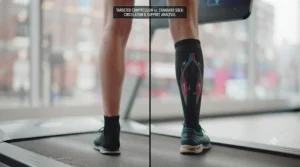
“Graduated compression” is a specific, defined term, not just marketing language for “tight socks,” and it’s worth understanding before you buy. It means the sock applies its firmest pressure at the ankle, with pressure gradually decreasing further up the calf — a design intended to support venous return, the process by which blood moves back up the leg toward the heart against gravity, with help from the calf muscle’s natural pumping action during movement. This is genuinely well-established science in medical compression hosiery, prescribed for conditions like chronic venous insufficiency; NHS inform’s guidance on compression stockings and socks confirms that medical-grade compression is genuinely used to manage circulation-related conditions under clinical guidance. Non-medical sport compression socks use the same basic graduated principle at a typically lower pressure range, but as covered above, the leap from “supports venous return in a clinical context” to “improves running performance” isn’t supported by the current sports-science evidence. Treat “blood flow” claims on sport sock packaging as a description of the mechanism, not a guarantee of a specific performance outcome.
Long-Term Cost & Maintenance: What Compression Socks Really Cost Over Time
Compression socks have a genuinely limited usable lifespan, regardless of brand, because the elastane fibres responsible for graduated pressure stretch and weaken with wear and washing. A single premium CEP pair at around £50 that holds firm compression for, say, 150 wears (a figure some premium brands explicitly design and test toward) works out to roughly 33p per wear before replacement; three Danish Endurance or CAMBIVO pairs at a combined £15–£20, rotated and replaced more frequently, can land in a similar or even better cost-per-wear range depending on how hard they’re used. The practical lesson: cost-per-wear, not sticker price, is the more useful comparison for anyone running on a treadmill several times a week. Maintenance is simple but matters: wash according to the label (most recommend max 40°C, no tumble drying), avoid fabric softener which can degrade elastane fibres faster, and rotate between at least two pairs so each gets proper time to recover its shape between wears.
Safety, Medical Use & When to Get Properly Fitted
It’s worth being clear about the difference between sport compression socks and medical compression stockings, because the two categories serve different purposes. As NHS inform notes medical compression stockings are prescribed by a GP or healthcare professional for specific circulation-related conditions and are measured and fitted individually, while non-medical compression socks sold for sport and travel are designed for general comfort during exercise or periods of reduced movement rather than treating a diagnosed condition. If you have an existing circulation condition, diabetes, peripheral arterial disease, or any concern about numbness, persistent swelling, or skin changes in your legs, speak to a GP or pharmacist before adding compression socks to your routine rather than relying on a sport product marketed for runners. For most healthy runners using compression socks for comfort or recovery during treadmill sessions, the products on this list are a low-risk addition — but if a sock ever leaves lasting indentation marks, causes numbness, or feels uncomfortably tight after extended wear, that’s a signal to size up or stop wearing it, not push through.
FAQ
❓ Do compression socks actually help on a treadmill?
❓ What compression level is best for running?
❓ Can men and women use the same compression socks?
❓ Should I wear compression socks during the run or only afterward?
❓ How do I know what size compression socks to buy?
Conclusion
There’s no single “best” pair of compression socks for a treadmill workout — there’s only the best option for your budget, your specific goal, and how often you’re actually running. If you want the most precisely engineered fit and don’t mind paying for it, CEP’s Run socks or calf sleeves lead this list. If you’re testing whether compression suits your routine at all, Danish Endurance or a CAMBIVO multipack gets you genuine graduated compression without a premium price tag. And if your priority is how your legs feel the day after a hard session rather than during it, the 2XU Recovery sock is built specifically for that.
Whichever you choose, go in with realistic expectations: the current evidence doesn’t support compression socks meaningfully improving running performance, but it doesn’t rule out genuine comfort, blister reduction and subjective recovery benefits either. Measure your calf properly, check the sizing chart for your specific brand, and treat compression socks as one comfortable tool in your kit bag — not a substitute for training, hydration, or proper warm-up.
✨ Don’t Miss These Exclusive Deals!
🔍 Take your treadmill kit bag to the next level with these carefully selected products. Click on any highlighted item to check current pricing and availability. These picks will help you build a comfortable, reliable running routine!
Recommended for You
- Best Socks for Treadmill Running 2026: 7 Top UK Picks Tested
- Best Waterproof Running Jacket UK 2026: 7 Top Picks Reviewed
- Best Shorts for Treadmill Running Men: 7 Expert Picks for 2026 (UK)
Disclaimer: This article contains affiliate links. As an Amazon Associate, I earn from qualifying purchases. If you purchase products through these links, we may earn a small commission at no additional cost to you. This article is for general information only and is not medical advice; if you have a circulation condition or any health concern, speak to a GP or pharmacist before using compression garments.
✨ Found this helpful? Share it with your friends! 💬🤗
