In This Article
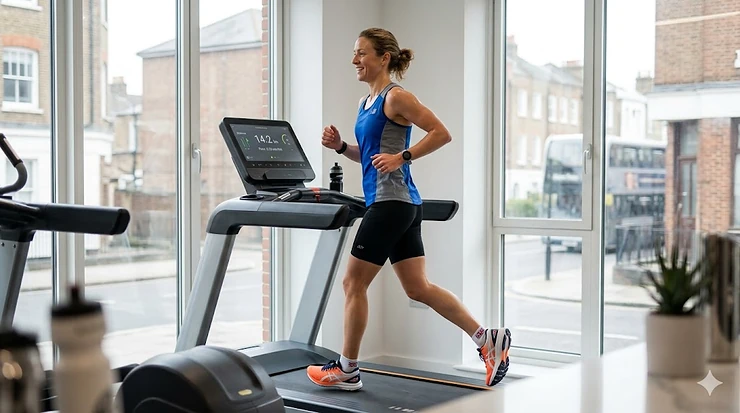
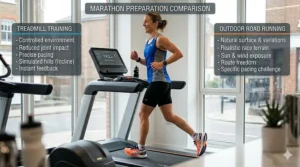
Somewhere around week nine of marathon training, every British runner has the same 6am conversation with themselves: is it actually raining, or just doing that thing where the wind throws water sideways at your face? Nine times out of ten, the answer sends you straight to the gym, and that’s where the real question of marathon shoes treadmill training starts to matter. The belt under your feet behaves nothing like a soggy towpath, and a shoe that feels glorious pounding along the Thames can feel oddly dead on a rolling rubber deck.
This guide rounds up seven genuinely good options, from a £130 workhorse to a £260 carbon-plated rocket, all chosen with one eye on London’s relentless drizzle and the other on what survives 400-plus indoor miles without falling apart. We’ve leaned on independent UK shoe testing from Which?, our own mileage, and a fair bit of trial and error to land on picks that suit everyone from first-timers chasing a finish line to club runners hunting a personal best.
Quick Comparison: Best Marathon Shoes for Treadmill Training
| Category | Winner | Why It Wins | Price Range |
|---|---|---|---|
| Best overall | Nike Pegasus 42 | Reliable, cushioned, barely changes year to year because it’s already nailed | £130-£145 |
| Best value | Adidas Adizero Evo SL | Race-shoe spring without the race-shoe price tag | £125-£140 |
| Best for treadmill shock absorption | Saucony Ride 19 | Plush PWRRUN foam soaks up the relentless repetition of a flat belt | £135-£150 |
| Best maximalist cushioning | Hoka Clifton 10 | Rocker geometry that protects knees on back-to-back long runs | £130-£145 |
| Best race day | Nike Alphafly 3 | The shoe elite marathoners actually race in, scaled down to consumer pricing | £250-£270 |
A quick read of that table tells its own story: there’s no single best long distance running shoe, only the best one for what you’re doing this week. If you’re grinding out an easy 10K on the treadmill before work, the Pegasus or the Ride will do you proud. Save the Alphafly for taper week and race day, because wearing a £260 super shoe for everyday treadmill training is a bit like driving a Formula 1 car to Tesco.
💬 Just one click — help others make better buying decisions too! 😊
✨ Don’t Miss These Exclusive Deals!
🔍 Take your marathon training footwear to the next level with these carefully selected picks. Tap any highlighted shoe to check current pricing and availability on Amazon.co.uk.
Top 7 Marathon Shoes for Treadmill Training — Expert Picks
1. Nike Pegasus 42
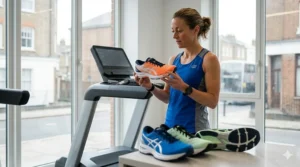
The Nike Pegasus 42 is the shoe equivalent of a reliable mate who’s never once let you down. Nike has barely touched the formula in decades because the formula already works: a pair of Zoom Air pods sit inside a ReactX foam midsole, giving you a ride that’s bouncy enough for tempo work but forgiving enough for the slow, soul-searching long runs that marathon training demands. At a touch under 300g with a 10mm drop, it sits firmly in “everyday trainer” territory rather than racing-flat extremes.
What most buyers overlook is how well that consistency suits treadmill sessions specifically — there’s no learning curve, no surprise stiffness, just predictable cushioning mile after monotonous mile. UK reviewers consistently flag it as one of the most dependable shoes for daily training and half marathons. Customer feedback tends to praise the snug, secure upper, though a few runners with wider feet ask for more room in the toe box.
✅ Pros: dependable cushioning that won’t surprise you mid-run; works equally well outdoors when the weather finally cooperates; widely stocked on Amazon.co.uk with fast Prime delivery.
❌ Cons: not the lightest option for speedwork; narrow-leaning fit for wide feet.
Price: around £130-£145. Verdict: the safe, sensible choice, and there’s nothing wrong with sensible.
2. Saucony Ride 19
The Saucony Ride 19 earned its reputation as one of the best treadmill running shoes on the market for one simple reason: its PWRRUN foam absorbs repetitive impact better than most. Independent lab testing measured an above-average stack height and shock absorption scores well ahead of the average daily trainer, which matters enormously on a treadmill belt where every single stride lands in the same spot, thousands of times in a row.
In my experience, this is the shoe that quietly prevents the dull knee ache that creeps in around week six of marathon training, when your long runs start tipping past two hours. The trade-off is weight — the Ride 19 gained a bit of heft in this generation, so quicker club runners chasing race day shoes marathon-pace might find it sluggish for tempo sessions, even if it’s brilliant for the bulk of your mileage.
✅ Pros: outstanding shock absorption for repetitive treadmill strides; breathable upper that copes well with stuffy gym air; genuinely comfortable from the first run, no break-in needed.
❌ Cons: heavier than most rivals here; not built for speed days.
Price: around £135-£150. Verdict: the shoe to reach for on your longest, slowest treadmill sessions.
3. Brooks Ghost 18
The Brooks Ghost 18 is the shoe that turns up, does the job, and doesn’t ask for applause. Its DNA Loft v3 midsole was lightened and made less dense for this generation, giving a softer landing without the squishy, unstable feeling some maximalist shoes suffer from. A firm, grounded platform means it won’t wobble underneath you during the repetitive grind of a treadmill long run, which is more important than it sounds — nothing kills motivation faster than a shoe that feels unsteady at mile 15.
What the spec sheet won’t tell you is how forgiving that platform is when your form starts to slip late in a session, which is exactly when most treadmill injuries creep in. It’s a genuine contender among marathon training footwear for anyone who overpronates slightly or just wants extra structural reassurance.
✅ Pros: stable, grounded ride that holds up as fatigue sets in; comfortable engineered mesh upper, good for stuffy gyms; consistent across men’s and women’s sizing.
❌ Cons: fairly conservative looks if you care about that; not the most exciting ride for faster sessions.
Price: around £130-£145. Verdict: comfort-first, and all the better for it.
4. Hoka Clifton 10
The Hoka Clifton 10 remains Hoka’s signature daily trainer, and the tenth version brings a compression-moulded EVA midsole and a redesigned, more comfortable heel tab. The rocker-shaped sole is the real party trick here — it physically nudges your foot forward through each stride, which takes a surprising amount of strain off tired calves during back-to-back treadmill long runs.
What most people overlook about maximalist shoes like this one is that the high stack height actually helps on a flat belt specifically, since there’s no camber or pothole to worry about — you get pure, uninterrupted cushioning. UK testers have repeatedly praised the smooth heel-to-toe transition, and it performs just as well indoors as out, which isn’t true of every cushioned shoe.
✅ Pros: exceptional joint protection for high-mileage weeks; smooth rocker transition reduces calf strain; genuinely versatile between road and treadmill.
❌ Cons: some runners find the ride a touch numb, lacking feedback; the rockered sole takes a run or two to adjust to.
Price: around £130-£145. Verdict: the comfiest option here, full stop.
5. Adidas Adizero Evo SL
The Adidas Adizero Evo SL has no carbon plate, no eye-watering price tag, and somehow still keeps pace with shoes twice its cost. Its Lightstrike Pro midsole is springy enough to carry you through fast treadmill intervals, and at 224g with a 6mm drop, it sits closer to a racer than a daily trainer in feel, while still being comfortable enough for easier efforts.
What most buyers overlook here is that this is genuinely one of the better-value entries in the personal best running shoes category — independent UK testers have rated it among the best shoes they’ve tested in recent years, full stop, not just in the budget bracket. The catch is stability: there’s not much structure underfoot, so if you’re prone to ankle roll on tired legs, you might want a touch more support late in long runs.
✅ Pros: race-shoe-like spring at a fraction of super-shoe prices; light enough for genuine speed sessions; breathable upper suits sweaty indoor sessions.
❌ Cons: limited stability for fatigued, late-run strides; thin outsole means it won’t last as many miles as a daily trainer.
Price: around £125-£140. Verdict: the best long distance running shoes for runners on a budget who still want to feel fast.
6. Asics Metaspeed Sky Tokyo / Edge Tokyo
The Asics Metaspeed Sky Tokyo and Edge Tokyo are, by UK testers’ own admission, currently the favourite race-day shoes on the market, narrowly edging out some stiff competition from Puma and Nike. At a featherweight 169g with a 5mm drop, the difference between the two comes down to which foam layer sits where: the Sky places its springier FF Leap foam underfoot for a softer landing, while the Edge puts it on top for a snappier toe-off. Both have helped club and elite runners alike to personal bests over the marathon distance.
In my experience, the most overlooked detail here is how aggressively these shoes reward good form — they’re brilliant for race day shoes marathon pace, but a poor stride on tired legs will feel exposed rather than cushioned, unlike a forgiving daily trainer.
✅ Pros: exceptional energy return for race-pace efforts; remarkably light given the stack height; a genuine favourite among UK club runners chasing marathon race shoes men and women both rate highly.
❌ Cons: premium price; not designed for daily treadmill mileage, more a save-it-for-race-day shoe.
Price: around £230-£250. Verdict: if you’re chasing a number on race day, this earns its keep.
7. Nike Alphafly 3
The Nike Alphafly 3 is the shoe most associated with marathon world records, and it’s not hard to see why. A full-length carbon FlyPlate sits inside a generous stack of ZoomX foam, with small air pods built into the forefoot for an extra kick of propulsion. At 201g, it’s light for the cushioning on offer, and UK lab testing rates it among the best energy-return shoes available for the marathon distance.
What the spec sheet doesn’t capture is just how stable it feels for a super shoe — many carbon racers feel twitchy underfoot, but the Alphafly 3 holds its composure even when your legs are wobbling through the last 10K. That said, this is firmly a race-day or key-session shoe rather than something to wear on Tuesday’s easy treadmill jog; the foam compresses faster than a daily trainer’s under regular use.
✅ Pros: among the best energy return of any shoe on this list; surprisingly stable ride for a super shoe; breathable, weather-agnostic upper.
❌ Cons: premium pricing; shorter lifespan if used for everyday training rather than racing.
Price: around £250-£270. Verdict: save it for the big day, and let it earn its reputation.
Practical Usage Guide: Getting the Most from Your Treadmill Sessions
Treadmill running puts a slightly different load through your shoes than tarmac does — the belt absorbs some impact for you, but the lack of variation means your foot lands in almost exactly the same spot every single time. That repetition is precisely why shock absorption matters so much indoors; a shoe with poor cushioning will wear unevenly far faster on a treadmill than on varied terrain.
Even the NHS recommends the treadmill as a sensible substitute when outdoor conditions turn grim, since staying consistent matters more than the terrain underfoot. Keep a dedicated pair of marathon training footwear for indoor sessions if you can, since gym carpets and treadmill belts pick up grit and damp from British weather that can dull outsole grip over time. Rotate two pairs through a training block rather than relying on one — it lets the midsole foam recover its bounce between sessions, and your feet genuinely notice the difference. Wipe down the outsole after sweaty indoor runs; built-up dust on smooth treadmill-specific tread patterns is a more common cause of slipping than people expect.
UK Runner Case Studies: Matching the Shoe to the Person
Take a first-time marathoner in a flat in Manchester, training through a wet fixture of a winter, mostly on the gym treadmill three evenings a week. The Brooks Ghost 18 or Nike Pegasus 42 suits this brief perfectly: forgiving, stable, built to survive months of repetitive mileage without complaint.
Compare that with a sub-3:30 club runner in Bristol, splitting sessions between hilly outdoor long runs and treadmill speed intervals when daylight runs out. The Adidas Adizero Evo SL earns its place here, light enough for tempo work but durable enough to survive regular use without the premature breakdown that plagues full carbon-plated racers used too often.
Then there’s the experienced runner in a London suburb chasing a genuine personal best, treadmill sessions reserved for controlled-pace work and the Asics Metaspeed or Nike Alphafly saved exclusively for race day itself — exactly the split UK coaches tend to recommend.
Marathon Training Shoes vs Race-Day Super Shoes
| Feature | Daily Training Shoe | Race-Day Super Shoe |
|---|---|---|
| Typical lifespan | 400-500 miles | 1-3 races, then noticeably flatter |
| Weight | 260-300g | 170-210g |
| Price range | £125-£150 | £230-£270 |
| Stability for tired legs | High | Lower, rewards good form |
| Best for | Bulk of your treadmill mileage | Race day and key sessions only |
That table makes the case fairly bluntly: super shoes are race-day specialists, not daily drivers. Wearing a £260 carbon racer for every treadmill session is the fastest way to turn its plush, race-ready foam into a flat, lifeless brick well before marathon day actually arrives. Most coaches recommend a simple two-shoe rotation — a durable trainer for 90% of your mileage, and a super shoe kept fresh for the final few sharpening sessions and the race itself.
How to Choose Marathon Shoes for Treadmill Training in the UK
- Match the shoe to the session, not the brand. A cushioned trainer for long runs, something lighter for intervals — most experienced marathoners own at least two pairs for exactly this reason.
- Prioritise cushioning over weight for treadmill miles. The repetitive nature of indoor running rewards shock absorption more than it rewards shaving off a few grams.
- Check the drop suits your stride. Higher drops (8-10mm) suit heel strikers; lower drops (5-6mm) suit midfoot or forefoot landers.
- Don’t skip a half-size up if you’re a regular long-distance runner. Feet swell over hours of running, and a snug fit at mile one becomes a painful one at mile 20.
- Factor in UK gym flooring. Some treadmill belts are smoother and grippier than outdoor surfaces, so outsole tread matters less indoors than tread pattern for wet pavement does outdoors.
Common Mistakes When Buying Marathon Training Footwear
❌ Buying a carbon-plated super shoe as your only pair, then wondering why it’s flat by week eight — these are race specialists, not daily trainers.
❌ Sizing based on a brand’s previous model rather than the current one; fits shift between generations more than people expect.
❌ Ignoring the difference between treadmill and road wear patterns, then being surprised when an outdoor-focused shoe feels harsh indoors.
❌ Chasing the lightest possible shoe for every session, sacrificing the cushioning your joints actually need on long runs.
❌ Assuming UK and US sizing match exactly — always check the EU or UK-specific size chart rather than converting from memory.
What to Expect: Real-World Performance on a Treadmill in British Conditions
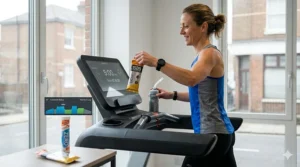
British gyms in winter are a particular kind of warm, slightly stuffy, and frequently crowded between 6pm and 8pm — not exactly ideal running conditions, but a fact of life for most marathon trainees here. Breathable uppers matter more indoors than people assume, since there’s no breeze to cool a hardworking foot the way there is outside.
There’s also a less obvious seasonal pattern: many UK runners shift the bulk of their marathon training indoors between November and February simply because daylight and dry pavement are both in short supply, then move outdoors as spring training blocks build toward events like the TCS London Marathon. The 2026 edition, held on 26 April, made history as the first marathon completed in under two hours — a reminder that even at the elite end, shoe technology and treadmill-honed consistency both play their part in chasing a number.
Features That Actually Matter (And Those That Don’t)
Stack height and foam quality matter enormously for treadmill comfort; flashy colourways and marketing buzzwords about “energy systems” generally don’t. A breathable upper matters more indoors than most buyers expect, given how warm UK gyms run. Outsole tread pattern, by contrast, matters far less on a treadmill belt than it does on wet British pavement, so don’t let it be the deciding factor for an indoor-focused pair.
Genuinely useful: midsole foam type, weight relative to your training pace, and heel-to-toe drop matching your natural stride. Largely irrelevant for treadmill use specifically: aggressive outsole lugs, waterproofing, and most “stability” marketing claims that aren’t backed by an actual supportive structure underfoot.
Long-Term Cost & Maintenance in the UK
A £140 daily trainer that lasts 450 miles works out to roughly 31p per mile — cheaper than most people assume once you do the maths, and considerably cheaper than a single physiotherapy session for a niggle caused by worn-out cushioning. A £260 super shoe used only for racing might only see three outings a year, but at that rate it can comfortably last two full marathon seasons, which evens out the cost more than the sticker price suggests.
Replacement parts aren’t really a factor with running shoes the way they are with bikes or treadmills themselves, but UK stockists generally hold strong inventory on mainstream models from Nike, Adidas, Asics, Brooks and Saucony, so finding the next size or colourway rarely involves a long wait.
Buying on Amazon.co.uk: Delivery, Returns and What to Check
Most of the shoes above are widely stocked on Amazon.co.uk, often with Prime next-day delivery, though stock on specific sizes and colourways can shift quickly for newer releases like the Alphafly 3 or Metaspeed Tokyo line. Standard orders typically qualify for free delivery above the usual £25 threshold, and Prime members get next-day as standard in most postcodes.
If a pair doesn’t fit, online shoppers in the UK benefit from a stronger safety net than many other markets. Under the Consumer Contracts Regulations, you generally have 14 days from delivery to change your mind on most online purchases, separate from any manufacturer warranty. It’s worth checking a seller’s specific returns window before buying, since some third-party Marketplace sellers on Amazon.co.uk set slightly different terms than Amazon’s own listings.
FAQ
❓ Can I train for a whole marathon using only treadmill running shoes?
❓ Do marathon training shoes wear out faster on a treadmill than on the road?
❓ Are carbon-plated marathon shoes worth using for treadmill training, or only race day?
❓ How many miles do marathon shoes typically last before losing cushioning?
❓ Can I return running shoes bought on Amazon.co.uk if the fit isn't right?
Conclusion
There’s no single best marathon shoe for treadmill training, only the right shoe for the session you’re about to run. For the bulk of your indoor mileage, a forgiving daily trainer like the Pegasus 42, Ghost 18, or Ride 19 will treat your joints kindly through the grinding repetition of a flat belt. Keep something lighter, like the Adizero Evo SL, for sharper sessions, and save a genuine super shoe like the Metaspeed Tokyo or Alphafly 3 for the day that actually counts.
Whatever you choose, the real secret to surviving marathon training on a UK treadmill has less to do with the shoe and more to do with showing up on the nights it’s raining sideways outside. The shoe just needs to not get in the way.
✨ Don’t Miss These Exclusive Deals!
🔍 Check current prices and availability for any of these picks on Amazon.co.uk — stock and sizing shift quickly on popular models.
Recommended for You
- 7 Best Waterproof Trail Running Shoes UK 2026
- Best Trail Running Shoes UK 2026: 7 Expert-Tested Picks
- Best Shoes for Treadmill and Road Running UK 2026: Top 7 Picks
Disclaimer: This article contains affiliate links. As an Amazon Associate, I earn from qualifying purchases. If you purchase products through these links, we may earn a small commission at no additional cost to you.
✨ Found this helpful? Share it with your mates! 💬🤗
